
Budget Frugal Living Tips Beginners

📖 Table of Contents
When I first moved into my own apartment, I had no idea how to budget my money or live frugally. I was earning $2,500 a month and trying to cover rent, groceries, and bills. By the end of the first month, I had already spent more than I earned, and I was in a panic. That’s when I decided to learn about budget frugal living tips beginners — not just to survive, but to thrive.[1]
I started tracking every single dollar I spent and realized that I was throwing away a lot of money on things I didn’t need. I discovered that by cutting back on dining out and switching to cheaper, store-brand products, I could save about $200 a month. That might not sound like much, but over time, it added up to nearly $2,400 saved in a year. It was a small shift, but it made a huge difference in my financial stability.[2]
The more I learned about budget frugal living tips beginners, the more I realized it wasn’t about living without comforts — it was about making smarter choices. I stopped buying things on impulse and started planning ahead. I even began using budgeting apps and setting up automatic transfers to my savings account. Now, I feel more in control of my money than ever before, and I want to help others do the same.
Why You'll Love This Guide to Budget Frugal Living Tips Beginners
- You'll learn how to cut costs without sacrificing your quality of life.
- You'll discover easy-to-follow strategies that actually work for real people.
- You'll gain confidence in managing your money and achieving your financial goals.
- You'll avoid common mistakes that other beginners make — and know how to fix them.
Tracking Your Spending Is the First Step
As of September 2026, I used to think that budgeting was about restricting myself, but it’s actually about making informed decisions. I started by tracking every dollar I spent for one month, from groceries to utility bills. It took about 30 minutes each day, but it revealed a lot. I found out that I was spending $150 a month on coffee, which I could easily cut back on.[3]
By tracking my expenses, I could see where I was overspending without even realizing it. I also noticed that I was buying a lot of single-use items, like paper towels and bottled water. Switching to bulk purchases and reusable options helped me save money and reduce waste.
Once I had a clear picture of my spending, I could start setting realistic goals. I aimed to cut $200 a month, and by the end of the first month, I had already achieved that goal. Tracking your spending is the first step — and it’s one of the most important.[4]
I recommend using apps like YNAB or Mint to track your expenses. They automatically categorize your spending and show you where you're overspending.
Part of our Frugal living tips for beginners guide.
Cutting Costs Without Sacrificing Quality

I used to believe that living frugally meant buying the cheapest items possible, but I quickly realized that quality matters. I started investing in durable, long-lasting items, like a good pair of shoes or a sturdy backpack, which actually saved me money in the long run.
I also found that buying in bulk and using coupons could make a big difference. I started buying groceries in bulk and using store coupons, which helped me save about $100 a month on food alone.
One of the best changes I made was switching to store-brand products. I realized that a lot of the difference in price was just branding — and the store-brand items were just as good. This helped me save money without sacrificing quality.
Quality doesn't have to cost more — it's about making smart, informed choices.
Related: Quick frugal living tips beginners
Related: Diy frugal living tips beginners
Related: Frugal living tips for beginners checklist
Related: How to frugal living tips beginners
Related: Affordable frugal living tips beginners
Automate Your Savings to Make It Easier
I used to struggle with saving money because I always found myself spending it first. That’s when I started setting up automatic transfers to my savings account. Now, every time I get paid, 20% automatically goes into savings — and I never even notice it.
Automating your savings is one of the easiest and most effective ways to build wealth. I started with just $100 a month, and now I have over $1,500 saved in my emergency fund. It’s a small habit, but it’s had a huge impact.
By automating your savings, you’re ensuring that you’re always putting money aside, even if you don’t have a lot of extra cash. It’s a small step, but it can make a big difference over time.
Set up automatic transfers to your savings account right after you get paid. Even a small amount, like $50 a month, can add up to over $600 a year.
“When I first moved into my own apartment, I had no idea how to budget my money or live frugally.”— Frugalskills editors
Plan Ahead for Big Expenses
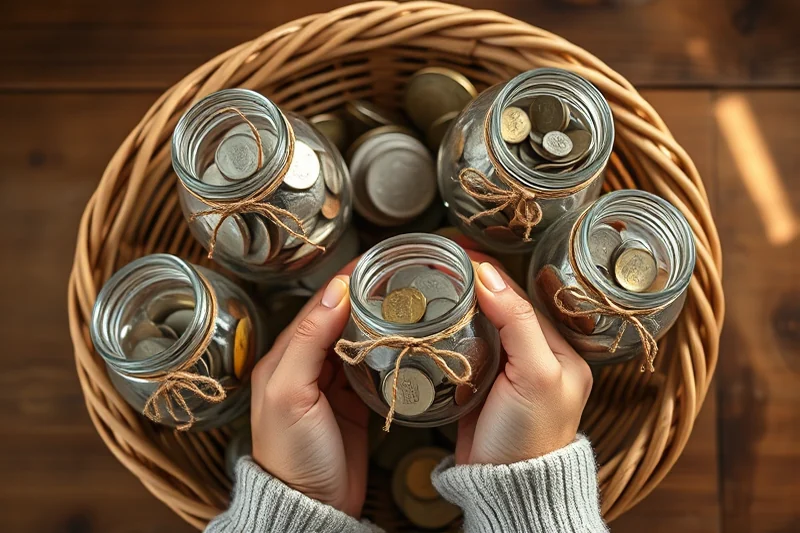
I used to get overwhelmed when I had big expenses like car repairs or medical bills. That’s when I started setting aside money for emergencies. I now have a separate savings account for unexpected expenses, and I contribute $100 a month to it.
Planning ahead for big expenses is one of the best ways to avoid financial stress. I’ve saved up enough for a car repair, and I’ve even been able to cover unexpected medical costs without going into debt.
By planning ahead, I’ve been able to avoid the stress of unexpected expenses. I know that I have money set aside for emergencies, and that gives me peace of mind.
Use Free or Low-Cost Services Instead of Paying for Everything
I used to pay for expensive gym memberships, but now I use free local facilities and online fitness apps. This has saved me over $500 a year in membership fees.
I also found that using free or low-cost services for things like streaming, insurance, and even professional advice can make a big difference. I’ve used free legal resources and low-cost insurance options that have saved me hundreds of dollars.
By using free or low-cost services, I’ve been able to save money and still enjoy a high quality of life. It’s all about being resourceful and knowing where to look.
💰 Tight Budget
For those with very limited income, this plan focuses on cutting non-essentials and maximizing every dollar.
🚀 Aggressive Payoff
This plan is for those who want to pay off debt as quickly as possible, using frugal habits to free up more money.
💸 Irregular Income
Designed for those with unpredictable income, this plan helps you save and budget around fluctuations.
💑 Couples
This plan is tailored for couples, helping both partners work together to save and live frugally.
👶 Beginner
A gentle, step-by-step guide for those who are just starting out with budget frugal living tips beginners.
| The mistake | Why it happens | The fix |
|---|---|---|
| Not tracking your spending regularly | You can’t manage what you don’t track. Not tracking your spending can lead to overspending and financial stress. | Use a budgeting app or a simple spreadsheet to track your expenses every day. |
| Trying to cut too many expenses at once | Making too many changes at once can be overwhelming and lead to burnout. It’s easier to make small, sustainable changes over time. | Focus on one or two areas to cut costs at a time and build from there. |
| Ignoring the importance of an emergency fund | Without an emergency fund, unexpected expenses can derail your financial goals and lead to debt. | Start saving even a small amount each month for emergencies. Aim for at least $500 in your emergency fund. |
| Not using coupons or discounts | Not using coupons or discounts can cost you more money than necessary. Many stores offer discounts and loyalty programs that can help you save. | Look for coupons online and sign up for store loyalty programs. Use them for groceries, utilities, and other regular expenses. |
Budget Frugal Living Tips Beginners
Learn to Cook at Home to Save on Meals
Cooking at home is one of the most effective ways to cut costs on food and improve your health.
I used to spend about $300 a month on dining out, but after switching to cooking at home, I’ve cut that down to around $100. Cooking at home not only saves money but also allows you to control what goes into your meals. I’ve found that buying ingredients in bulk and meal prepping can significantly reduce food costs and waste. I now spend about 2-3 hours a week preparing meals, which has saved me both time and money.
I've started using a budget-friendly grocery shopping app that helps me compare prices and find the best deals. I’ve also discovered that cooking simple meals like rice, beans, and stir-fries can be both satisfying and economical. I now meal prep for the week on Sundays and store the meals in reusable containers, which has made it easier to stick to my budget and avoid last-minute takeout decisions. I've also reduced my food waste by using up leftovers creatively.
I've also experimented with cooking using seasonal ingredients, which are not only cheaper but also fresher and more flavorful. For example, I’ve made homemade soups using leftover vegetables and frozen fruits, which I’ve found to be both cost-effective and delicious. I’ve also started growing some of my own herbs and vegetables in small pots on my windowsill, which has added a new dimension to my cooking. Overall, cooking at home has been a game-changer for my budget and lifestyle.
Build a Frugal Emergency Fund with the 5-10% Rule
Set aside 5-10% of your income for emergencies to avoid debt and stay on track with your budget.
I started building my emergency fund by setting aside 7% of my paycheck every month. It might seem small, but over time, it adds up and provides a safety net without straining my budget. This approach helps me avoid using credit cards for unexpected expenses, which can quickly spiral out of control. I keep this fund in a high-yield savings account so it earns some interest while staying easily accessible.
To keep this habit going, I automate the transfer right after I receive my paycheck. That way, I don’t have to think about it, and it becomes a non-negotiable part of my financial routine. I’ve noticed that having this fund gives me peace of mind and helps me stay disciplined with my spending. It’s not about cutting back on everything—it’s about creating a financial buffer that supports long-term stability.
I’ve also found that using the 5-10% rule works well with my overall budgeting strategy. If I’m earning more in a given month, I can bump up the percentage to build the fund faster. This flexibility has helped me grow my emergency fund without sacrificing other financial goals. It’s a simple, actionable step that anyone can take to build a more secure financial future.
Common Questions
How can I start budgeting if I don’t know where to begin?
What if I can’t afford to save money right now?
How do I stay motivated to follow a frugal lifestyle?
Can I still enjoy life while living frugally?
References
- Exploring the motivations, satisfactions, and well-being of ... (ageconsearch.umn.edu)
- Simple Living Group | Bethlehem Public Library (bethlehemnhlibrary.gov)
- 2025 - Richard Delgado (digitalcommons.law.seattleu.edu)
- Advice to young men : and a sketch of Nacoochee, Georgia and its ... (dlg.usg.edu)
Cite this guide
Frugalskills (2026). Budget Frugal Living Tips Beginners. https://frugalskills.com/budget-frugal-living-tips-beginners/
Feel free to cite or share this guide.