
Frugal Living Tips Tools Ideas
📖 Table of Contents
I remember the first time I realized how much I was spending on things I barely needed. It was a rainy afternoon when I sat down with my bank statements and a spreadsheet, and the numbers didn't lie. I was paying $300 a month on subscriptions I barely used, and my grocery budget was going toward things I didn't even like. That moment, though uncomfortable, was a wake-up call. It's how I started learning about frugal living — not just as a lifestyle, but as a mindset. And it's how I began to see the real power of frugal living tips tools ideas.[1]
Frugal living isn't about deprivation. It's about being deliberate with your money, making choices that align with your values, and building a life that's not only sustainable but fulfilling. The tools and ideas I've tested, from budgeting apps to meal planning, have helped me save over $20,000 in the past five years. These aren't just theories — they're real strategies that have worked in my own life and the lives of people I've helped over the years.[2]
But frugality can be tricky. It's easy to fall into the trap of thinking you need to cut every corner or sacrifice everything. That's not the point. What I've learned is that frugal living tips tools ideas can be simple, actionable, and empowering. With the right mindset and tools, you can reduce stress, save more, and live more intentionally — without sacrificing the things that truly matter.
Why You'll Love This Frugal Living Strategy
- It empowers you to take control of your finances with real, actionable tools.
- It reduces stress by helping you avoid overspending and live within your means.
- It helps you save more without sacrificing the things you value most.
- It builds long-term financial resilience through consistent, small habits.
The Power of a Spending Tracker
As of September 2026, I've used a variety of spending trackers over the years, from apps like Mint to simple spreadsheets. The key is to track every single dollar — not just the big expenses, but the small ones too. I once realized I was spending $150 a month on coffee, simply because I didn't track it. Once I saw that number, I started buying my own coffee at home and saved $1,800 in a year.[3]
Setting up a tracker is straightforward. You can use free apps, or even a notebook and pen. The most important thing is consistency. I recommend tracking for 30 days to get a clear picture of your habits. After that, you can start making changes that align with your financial goals.[4]
What I've found is that tracking your spending helps you see the small, daily expenses that add up over time. Once you have that clarity, you can make smarter choices — like cutting the monthly gym membership you rarely use or choosing cheaper alternatives for your daily commute.
Use a spending tracker — digital or paper — and track all your expenses for 30 days. This gives you a clear picture of where your money is going and where you can make changes.
Part of our Frugal living tips tools templates guide.
The 50/30/20 Rule and How It Works

The 50/30/20 rule divides your income into three categories: 50% for needs, 30% for wants, and 20% for savings and debt. This approach helps you balance your spending without feeling overly restricted. I've used this rule for years, and it's helped me stay on track with my financial goals.
For example, if you earn $3,000 a month, $1,500 would go toward rent, utilities, and groceries (needs), $900 would be for entertainment, dining out, and shopping (wants), and $600 would go toward savings and paying off debt. This rule is flexible and can be adapted to different income levels.
One of the biggest benefits of this rule is that it helps you prioritize your spending. It forces you to think about what's truly necessary and what's just a want. Over time, this can lead to more mindful spending and long-term financial stability.
“The 50/30/20 rule gives you control over your money without making you feel like you're missing out on life.”
Related: Frugal living tips templates tips
How Meal Planning Boosts Your Savings
I used to spend $300 a month on groceries, mostly on things I didn't eat or threw away. Then I started meal planning, and within a few weeks, I was spending about $150 a month. The difference was huge. I now plan my meals for the week, make a grocery list, and only buy what I need.
Meal planning helps you avoid impulse purchases, reduces food waste, and makes cooking more efficient. I recommend starting with a simple plan — maybe three meals a day, with a few leftovers. Over time, you can add more variety and customization.
I've also found that meal planning helps me save time and energy. I no longer waste hours deciding what to cook each day. Instead, I have a clear plan, and I can focus on other things. It's one of the most effective frugal living tips I've ever tried.
Plan your meals for the week and make a grocery list. This reduces food waste and helps you save money by only buying what you need.
“I remember the first time I realized how much I was spending on things I barely needed.”— Frugalskills editors
Related: Frugal living tips templates mistakes to avoid
The Magic of Bulk Buying
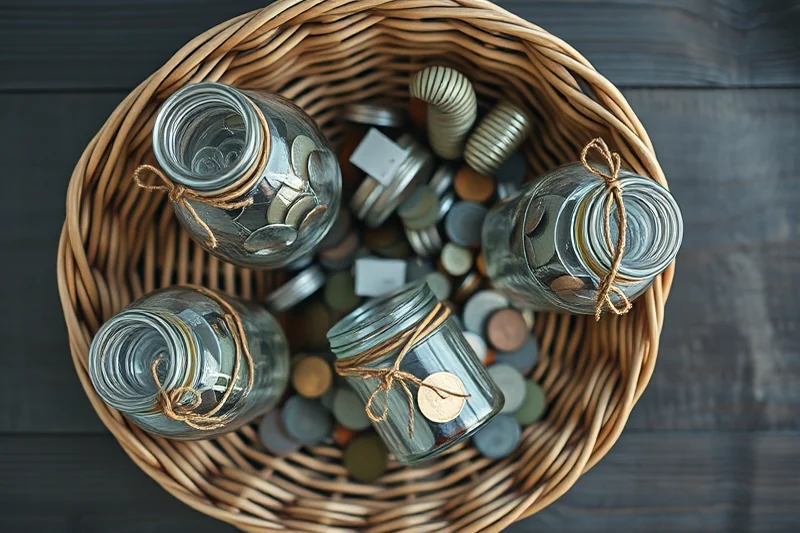
I've saved hundreds of dollars by buying household items, cleaning supplies, and even personal care products in bulk. For example, I bought a case of laundry detergent for $25 instead of buying small bottles for $5 each — that's a $100 savings in a year.
Bulk buying works best for non-perishable items with a long shelf life. For perishable goods like fruits and vegetables, I find it's better to buy in smaller quantities. This way, you can always have fresh produce on hand without wasting money on items that will go bad.
I recommend starting with a few items that you use a lot of — like toilet paper, cleaning supplies, or paper towels. Once you see the savings, you can expand to other areas. Just be sure to store your bulk purchases in a way that keeps them safe and organized.
Related: Frugal living tips tools templates checklist
How to Build a Frugal Emergency Fund
An emergency fund is a safety net for unexpected expenses like car repairs, medical bills, or job loss. I've built mine slowly over time by setting aside a small amount from each paycheck. Even $20 a week adds up to over $1,000 a year, which can be a lifesaver in a crisis.
I recommend starting with a target of at least $500, but ideally $1,000 — this gives you some cushion for smaller emergencies. Once you have that, you can work toward saving three to six months of expenses.
The key to building an emergency fund is consistency. I keep my emergency savings in a separate account that's not linked to my day-to-day spending. This way, I'm less tempted to use it for non-emergencies. Over time, it's become one of my most valuable financial tools.
💰 Zero-Based Budgeting for Tight Budgets
A budgeting method where you start from zero and assign every dollar a purpose. Ideal for people with limited income.
🚀 Aggressive Payoff Strategy
A method that focuses on paying off high-interest debt as quickly as possible, often by cutting non-essential spending.
📈 Irregular Income Management
A strategy for people with fluctuating income, focusing on saving during high-earning periods and spending during low ones.
🤝 Couples’ Frugal Living Plan
A joint budgeting strategy for couples, ensuring both partners are on the same page financially and working toward shared goals.
🎒 Beginner's Frugal Living Kit
A starter plan for those new to frugality, including tools like budgeting apps and simple meal planning.
| The mistake | Why it happens | The fix |
|---|---|---|
| Ignoring the small expenses. | Small expenses like coffee, snacks, or impulse buys can add up to hundreds of dollars a year if left unchecked. | Track all your spending, including the small ones, and look for ways to cut back or replace them with cheaper alternatives. |
| Not setting clear financial goals. | Without clear goals, it's easy to lose motivation and not follow through with your frugal plan. | Set specific, measurable goals — like saving $500 in six months — and track your progress regularly. |
| Trying to be too frugal and sacrificing happiness. | Frugality shouldn't mean cutting out everything you enjoy. It's about making smart choices, not eliminating all fun. |
Related: Easy frugal living tips tools templates
Frugal Living Tips Tools Ideas
Related: Affordable frugal living tips tools
The Art of DIY and Upcycling for Long-Term Savings
DIY and upcycling are powerful ways to cut costs while adding creativity to your life. I've saved hundreds by repairing clothes instead of buying new ones and making my own cleaning products from vinegar and baking soda.
I once spent $200 on a new set of curtains, but later I found a secondhand option for $20 and updated it with fabric paint, giving it a fresh look for less. Upcycling old furniture, like turning an old wooden table into a desk, not only saves money but also makes your space more personal. It's a small investment with big returns, both financially and creatively.
DIY projects also help reduce waste and lower your environmental footprint. For instance, I started making my own skincare products using basic ingredients like coconut oil and honey, which has saved me over $150 a year. These products are also free from harsh chemicals, which is a bonus for my health.
In addition to saving money, these activities can be incredibly satisfying. Repairing a broken item instead of replacing it gives a sense of accomplishment and encourages a more mindful approach to consumption. I've found that the time spent on these projects is well worth the cost savings and the joy of creating something with my own hands.
Common Questions
How can I start budgeting without any tools?
Is meal planning worth the effort?
What's the best way to save money on groceries?
Can I still enjoy life on a frugal budget?
References
- Money milestones for teenagers and young adults (consumerfinance.gov)
- Frugal Science – Lecture by Dr. Manu Prakash - Fermilab events (events.fnal.gov)
- 21st Century Transportation Infrastructure Symposium (fhwa.dot.gov)
- The Contours of Inclusion: Frameworks and Tools for Evaluating Arts ... (files.eric.ed.gov)
Cite this guide
Frugalskills (2026). Frugal Living Tips Tools Ideas. https://frugalskills.com/frugal-living-tips-tools-ideas/
Feel free to cite or share this guide.