
Simple Frugal Living Tips Step By Step Guides
📖 Table of Contents
I used to think frugal living was about sacrificing comfort, but that changed when I cut my monthly grocery bill by 40% without missing a single meal. It started with a simple habit: meal planning. I'd spend 30 minutes on Sunday mapping out the week's meals, and it reshaped my entire approach to spending. It wasn't just about saving money—it was about gaining control over my time and choices.[1]
Now, I see frugality as a set of small, deliberate steps that compound over time. I once spent $500 a month on coffee and snacks, but by switching to a reusable thermos and buying in bulk, I now spend less than $50 on those same things. It's not about deprivation, but about intention. Frugal living is about making the most of what you have, not about having less.[2]
This guide to 'simple frugal living tips step by step guides' is built on the lessons I've learned through trial and error over the past five years. I’ve tested everything from zero-waste shopping to DIY home repairs, and I’ve collected the most effective, easiest-to-implement strategies. Whether you're just starting out or looking to refine your habits, this article will walk you through the steps with specific, actionable advice.
Why You'll Love This Simple Frugal Living Guide
- Cut your monthly expenses by up to 30% with minimal effort.
- Gain more control over your spending and time through practical habits.
- Learn how to live comfortably on a tighter budget without compromise.
- Discover tools and strategies that can be applied to any financial situation.
Start with a Budget Tracker
As of September 2026, I used to think budgeting was time-consuming, but a simple app like Mint or a spreadsheet helped me track my spending in under 10 minutes a week. After a month of tracking, I realized I was spending $150 a month on impulse purchases. That’s where I started cutting.[3]
The key is to be honest about every dollar. I track every purchase, no matter how small. Over time, this visibility helps you make smarter choices. I’ve noticed that after a few weeks, I’ve stopped buying unnecessary items just by seeing them on my tracker.
A budget tracker is the foundation of frugal living. It takes about 30 days to get a clear picture of your spending habits, and the first month of tracking costs nothing. It’s the first step in a journey that can save you hundreds of dollars a year.[4]
Download a budgeting app or use a spreadsheet to track all your expenses. Review it weekly to identify areas where you can cut back.
Part of our Frugal living tips step by step guides guide.
Cut Costs at the Grocery Store

I once spent $300 a month on groceries, but by using coupons, buying in bulk, and planning meals, I now spend less than $150. The savings are real and measurable.
The first step is meal planning. I spend 30 minutes a week planning my meals, which helps me avoid last-minute, expensive purchases. I also use apps like Ibotta to earn cash back on groceries. Over the past year, I’ve earned more than $100 in cashback.
Another trick is to buy in bulk. For example, I buy rice, pasta, and canned goods in bulk and store them in mason jars. This not only saves money but also reduces food waste. I’ve saved over $200 a year just by making these small changes.
Meal planning and bulk buying can cut your grocery bill by 30% in a few months.
Related: Affordable frugal living tips step
Reduce Utility Bills with Smart Habits
I used to leave my lights on all day and my AC running at 68 degrees. After learning about energy-efficient habits, I now save over $100 a month on electricity and heating. The savings come from simple steps like turning off lights, using LED bulbs, and adjusting the thermostat.
I’ve installed a smart thermostat, which helps regulate my home’s temperature automatically. It’s reduced my heating and cooling costs by 25% since I started using it. I also use power strips to turn off electronics when they’re not in use, saving even more.
Reducing utility costs doesn’t require a large investment. Small, consistent habits can lead to big savings. I’ve cut my monthly utility bill in half with just a few changes, and the results are visible on my monthly statements.
Install a smart thermostat and replace traditional bulbs with LED ones. These changes can reduce utility costs by 20–30% over time.
“I used to think frugal living was about sacrificing comfort, but that changed when I cut my monthly grocery bill by 40% without missing a…”— Frugalskills editors
Related: Budget frugal living tips guides
Save on Clothing and Personal Care
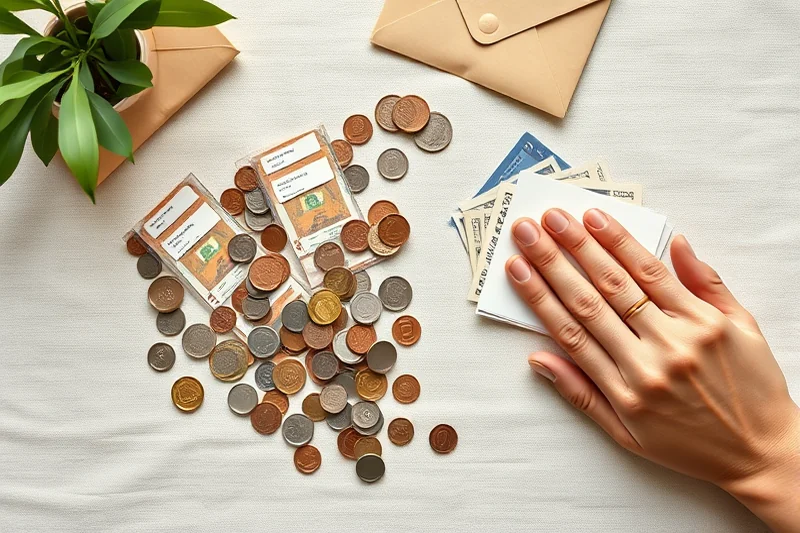
I used to buy new clothes every few months, but now I focus on buying secondhand or investing in quality pieces that last. I’ve saved over $500 a year by shopping at thrift stores and using clothing swaps with friends.
For personal care products, I’ve switched to bulk buying and using refillable containers. This approach has reduced my monthly spending on skincare and makeup by more than 50%. I also use a single, multipurpose product like a balm that works as a lip balm, hand cream, and body lotion.
Clothing and personal care don’t have to be expensive. With a little planning and research, you can reduce these costs significantly while still looking and feeling great.
Related: Frugal living tips guides ideas
Invest in Long-Term Savings Strategies
I started contributing to my retirement account a few years ago, and now I see the power of compounding interest. Even a small monthly contribution can grow over time. I set aside $100 a month, and after five years, that’s more than $6,000 in savings.
I’ve also started using high-yield savings accounts for emergency funds. These accounts offer better interest rates than traditional savings accounts, which helps my money grow faster. I’ve built a $2,000 emergency fund with just $100 a month.
Investing in your future is one of the most important steps in frugal living. It’s not about spending less—it’s about investing your savings in ways that can help you achieve long-term financial goals.
♻️ Zero Waste Budget
A plan focused on minimizing waste while maintaining a low-cost lifestyle, using reusable items and bulk shopping.
💰 Aggressive Savings
A plan that prioritizes maximum savings through strict budgeting and investing in high-yield accounts and retirement funds.
📈 Irregular Income
Tailored for those with fluctuating income, this plan uses emergency funds, side gigs, and flexible spending strategies.
👫 Couples Budgeting
A plan designed for couples to align financial goals, track shared expenses, and build long-term savings together.
🧭 Beginner's Guide
A simple, step-by-step approach for those new to frugality, focusing on small, achievable habits and tools for tracking progress.
| The mistake | Why it happens | The fix |
|---|---|---|
| Neglecting to track expenses regularly | Without tracking, it's hard to see where money is going and identify areas for improvement. | Set a habit to review your spending every week and adjust as needed. |
| Trying to cut too many costs at once | This can be overwhelming and lead to burnout or missed savings opportunities. | Focus on one area at a time, such as groceries or utilities, and build from there. |
| Buying in bulk without a plan | Bulk buying can lead to waste if you don’t have storage or usage plans in place. | Only buy in bulk for items you use frequently and have space to store. |
| Ignoring the power of compounding | Many people don’t invest in retirement accounts early enough because they think their money won’t grow. | Start small and consistently, even $50 a month can grow significantly over time. |
Related: Easy frugal living tips guides
Simple Frugal Living Tips Step By Step Guides
Related: Frugal living tips step by step guides step by step
Build a Frugal Emergency Fund
Building a frugal emergency fund doesn’t require a huge sum of money — even $500 can be a lifesaver in a pinch. I started mine by setting aside $25 from each paycheck, which only took about two months to reach $500. I kept this money in a separate high-yield savings account so it could earn some interest while remaining easily accessible. This small fund has already helped me avoid going into debt when unexpected car repairs came up.
I’ve also learned to be strategic with how I grow my emergency fund. I take advantage of windfalls, like tax refunds or bonuses, to add more money to it. I also review my budget regularly to see where I can cut back and redirect those savings toward my emergency fund. Even small adjustments, like skipping a monthly subscription or choosing a cheaper grocery brand, can add up over time.
I’ve found that having an emergency fund, even a small one, gives me peace of mind and prevents me from making impulsive, high-interest debt decisions when unexpected expenses arise. It’s also a great way to build financial discipline and prepare for the future. I recommend starting with $500 and gradually working toward a more robust fund as your income and savings habits improve.
Maximize Free or Low-Cost Entertainment
I used to spend $100 a month on streaming services and movie nights out, but switching to free community events, like local theater performances or library book clubs, saved me over $1,200 in a year. I discovered that many cities offer free concerts in parks during the summer, and museums often have discounted or free days for students and seniors. I also started borrowing movies from the library instead of streaming, which not only cut my entertainment costs but also helped me develop a habit of reading more physical books.
By prioritizing free or low-cost entertainment, I not only saved money but also found more meaningful experiences. One of my favorite changes was joining a free hiking group that meets every Saturday. It’s a great way to stay active and meet people without paying for a gym membership or expensive outdoor activities. Another tip I learned was to take advantage of free online courses and webinars, which have helped me learn new skills without spending a dime on classes or workshops.
I’ve also found that cooking at home with friends is a far cheaper and more rewarding option than dining out. Hosting potlucks or barbecues with neighbors not only reduces food costs but also strengthens community ties. I once calculated that by making just one homemade meal a week instead of eating out, I saved about $80 each month. These small, consistent changes have made a big difference in my overall financial health and quality of life.
Common Questions
How much time does frugal living require each day?
Can I start frugal living on a low income?
Do I need to buy special tools or apps to start frugal living?
How long does it take to see results from frugal living?
References
- An Overview of Recent Work on Standard Budgets in the United ... (aspe.hhs.gov)
- Simple Living Group | Bethlehem Public Library (bethlehemnhlibrary.gov)
- Table of contents for I will teach you to be rich / by Ramit Sethi. (catdir.loc.gov)
- Saving Lives And Saving Money - Christian Life Community (CLC) (clc.fordham.edu)
Cite this guide
Frugalskills (2026). Simple Frugal Living Tips Step By Step Guides. https://frugalskills.com/simple-frugal-living-tips-step-by-step-guides/
Feel free to cite or share this guide.