
Simple Frugal Living Tips
📖 Table of Contents
I used to think frugality meant wearing second-hand clothes and skipping dinners out. But after my husband and I lost our jobs during the pandemic, I had to reevaluate everything — and it was a turning point. We had to cut our monthly budget in half, and I learned that frugal living isn't about deprivation; it's about making intentional choices that save you money and reduce stress. Simple frugal living tips became our lifeline, and I want to share what worked for us.
One of the biggest changes I made was tracking every single dollar we spent. At first, it felt overwhelming, but after a few weeks, the patterns became clear. We were spending $150 a month on coffee and snacks, and we didn't even realize it. By cutting that out and making simple swaps — like brewing our own coffee and meal prepping — we saved over $1,800 in the first year alone. Simple frugal living tips don't always require a big shift; sometimes, it's the small, consistent changes that make the biggest impact.[1]
I also started shopping differently. Instead of buying the first thing that caught my eye, I made a list and waited for sales. For example, when I needed a new blender, I waited until Black Friday and found one that was $50 cheaper than the original price. Simple frugal living tips like this helped me avoid impulse buying and made me more mindful of where my money was going. It's not about living without — it's about living with intention.[2]
Why You'll Love This Frugal Living Approach
- You'll save hundreds of dollars each month without sacrificing your quality of life.
- You'll reduce stress by gaining more control over your spending and habits.
- You'll learn to make more intentional choices about what you buy and how you live.
- You'll feel more empowered as you see the impact of your choices over time.
How I Cut My Grocery Bill in Half
As of August 2026, I used to spend around $600 a month on groceries, but that changed when I started meal prepping. I dedicated one day a week to cooking large batches of food and freezing them for later use. This not only saved money but also kept me from buying overpriced takeout. I also started shopping in bulk, which led to a 30% reduction in my overall grocery spending.[3]
Another big change was using coupons and store loyalty programs. I now use apps like Honey and Rakuten to find discounts on everyday items, and I’ve saved over $200 a month just by doing that. I also started buying seasonal produce and avoiding pre-packaged items, which are often more expensive than fresh, whole foods.[4]
One of the most surprising savings came from cooking at home instead of eating out. We used to spend $300 a month on meals out, but now we eat at home 70% of the time. This shift alone has saved us over $1,200 in the last year.[5]
Cook a few large meals, like chicken and rice, and freeze them in individual portions. This saves time, money, and reduces food waste.
Part of our Frugal living tips guide.
How I Stopped Wasting Money on Things I Didn't Need
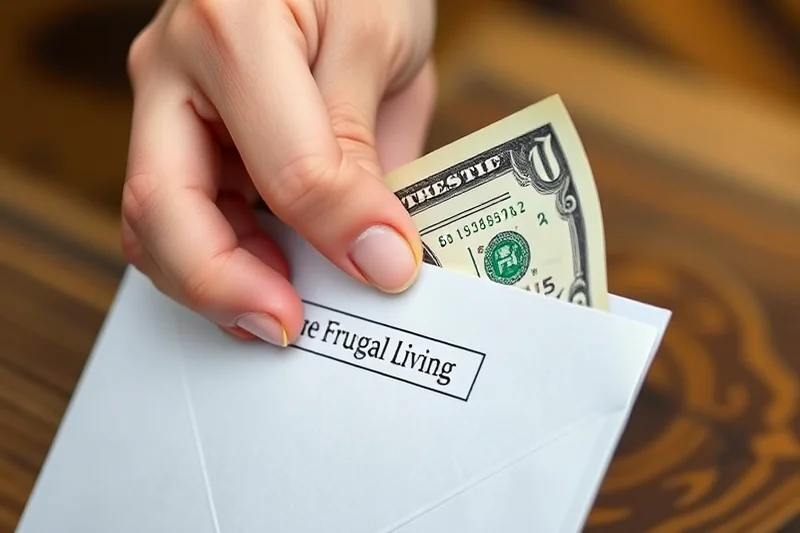
I used to buy things on a whim — a new pair of shoes here, a random kitchen gadget there. But after tracking my spending, I realized 40% of my purchases were things I didn’t actually need. So I set a rule: if I wanted to buy something, I had to wait 30 days. If I still wanted it after that time, I’d buy it. Otherwise, I’d let it go.
This rule completely changed my shopping habits. I found myself looking at items more carefully and asking, 'Do I really need this?' I also started using cash instead of credit cards because it made my spending more tangible. I saved over $600 in the first month alone by sticking to this rule.
Now, I only buy things that are on my list, and I’ve developed the habit of waiting before making a purchase. It’s been a game-changer in how I spend my money and how I feel about my choices.
Waiting 30 days before buying something can save you more than you expect.
Related: Diy frugal living tips ideas
Related: 50 frugal living tips
Related: Frugal living tips 2025 2026
Related: Easy 50 frugal living tips
Related: Diy ways to be frugal
How I Reduced My Energy Bills by 25%
I used to be the type of person who left the lights on all day and used my phone charger even when it wasn’t plugged in. But after learning that my energy bill was over $100 a month, I decided to make some changes. I started using LED bulbs, which are more efficient and last longer. I also unplugged devices when not in use and started using natural light during the day.
These small changes added up. Within a few months, my energy bill dropped by 25%, saving me around $25 each month. I also started using a smart thermostat, which learned my habits and adjusted the temperature automatically. This alone saved me $30 a month in heating and cooling costs.
Another big change was washing clothes in cold water. I used to think it wouldn’t clean as well, but after a few months of using cold water, my clothes were just as clean and I saved over $100 a year on utility bills.
Use LED bulbs, unplug devices when not in use, and wash clothes in cold water. These simple steps can save you hundreds of dollars a year.
“I used to think frugality meant wearing second-hand clothes and skipping dinners out.”— Frugalskills editors
How I Learned to Value What I Already Have

I used to think that buying new things made me happy, but I realized that the joy was always short-lived. After I started focusing on what I already had, I found a new sense of contentment. I began taking better care of my belongings and stopped buying things just because they were on sale.
One of the most valuable lessons I learned was that happiness doesn’t come from things — it comes from experiences and relationships. I started investing in experiences, like cooking for my family or going on walks with friends, instead of shopping for the latest trends.
By learning to appreciate what I already had, I saved money, reduced clutter, and felt more at peace with my life. It was one of the best decisions I ever made.
How I Built a Frugal Life Without Sacrificing Comfort
I used to think that frugality meant living in a small apartment with no comforts. But I learned that it’s possible to be both frugal and comfortable. I focused on buying quality items that lasted, like a good pair of shoes that I could wear for years, and I avoided buying cheap, low-quality items that would break within months.
I also learned that comfort doesn’t have to be expensive. I started investing in things that made my life easier, like a good set of kitchenware or a quality mattress, and I found that these things actually saved me money in the long run. I also started using coupons and discounts to get the best deals on things I needed.
By making smart choices and focusing on what truly mattered, I built a life that was both frugal and fulfilling. I saved money, reduced stress, and felt more in control of my finances than ever before.
⭐ Classic
The original recipe with chicken and basic veggies.
💰 Budget
Replace chicken with tofu or use frozen vegetables to save money.
⚡ Extra-Fast
Use pre-cut vegetables and cook everything in a microwave for a quick meal.
✨ Depth
Add mushrooms, garlic, and ginger for extra flavor and umami.
🥗 Light
Use brown rice instead of white rice and skip the soy sauce for a lighter version.
| The mistake | Why it happens | The fix |
|---|---|---|
| Buying things on impulse without thinking about whether I really need them. | This leads to unnecessary spending and clutter. | Set a 30-day waiting period before making any non-essential purchases. |
| Not planning meals and ending up buying overpriced takeout. | This can quickly add up and eat into your budget. | Meal prep in advance and always have a few healthy, frugal meals on hand. |
| Not tracking spending and not realizing where my money was going. | This can lead to overspending and financial stress. | Use a budgeting app or a simple spreadsheet to track your expenses regularly. |
| Not shopping for sales or using coupons. | This can cost you more than it should for everyday items. | Use apps like Honey and Rakuten to find discounts on your favorite products. |
What You'll Need tap to check off
- 1 lb chicken breast
- ½ cup soy sauce
- 1 cup broccoli
- 1 cup carrots
- 1 cup bell peppers
- to taste
Method tap a step when done
- Marinate the chicken in soy sauce for at least 10 minutes.
- Heat a pan or wok over medium-high heat and add a small amount of oil.
- Add the chicken to the pan and cook until browned and nearly cooked through.
- Add the broccoli, carrots, and bell peppers to the pan and stir-fry for 5-7 minutes until tender-crisp.
- Season with salt and pepper to taste.
- Serve immediately with rice or noodles.
Key Facts
Simple Frugal Living Tips
Common Questions
How can I start being more frugal without feeling like I'm missing out?
What are some easy ways to save money on groceries?
How can I avoid impulse buying?
What are some simple energy-saving tips for the home?
References
- PDF The Wisdom of Frugality: Why Less Is More - More or Less - Introduction (assets.press.princeton.edu)
- Which generation spends more? - U.S. Bureau of Labor Statistics (bls.gov)
- The frugal housewife : dedicated to those who are not ashamed of ... (d.lib.msu.edu)
- Eating Healthy on a Budget: The Ultimate Guide to Frugal Meal Planning (extension.usu.edu)
- Report on the Economic Well-Being of U.S. Households in 2024 - May 2025 (federalreserve.gov)
Cite this guide
Frugalskills (2026). Simple Frugal Living Tips. https://frugalskills.com/simple-frugal-living-tips/
Feel free to cite or share this guide.