
Easy Frugal Living Tips Tools
📖 Table of Contents
I used to think frugality was about cutting corners — skipping meals, wearing the same clothes every day, and avoiding fun altogether. It wasn’t until I discovered *easy frugal living tips tools* that I realized the power of small, intentional changes. I started tracking my spending with a simple app, noticed where my money was going, and made adjustments that saved me hundreds of dollars a month without sacrificing comfort or joy. These tools aren’t about deprivation; they’re about empowerment.
My journey began with a single question: 'How can I live better on less?' That led me to explore budgeting apps, automated savings tools, and even digital coupon platforms. I tested several of these tools over six months, and the ones that stuck were the ones that were easy to use and didn’t require constant attention. I found that a few key *easy frugal living tips tools* could make a massive difference — without turning my life upside down.
The best *easy frugal living tips tools* are the ones that work in the background while I focus on what matters: family, health, and hobbies. I’ve since shared these tools with friends and family, and almost everyone has seen real, measurable improvements in their finances. These tools aren’t about living a minimalist life; they’re about making every dollar work harder for you.
Why You'll Love This Frugal Life Hack
- Tracks your money in real time without effort
- Saves automatically, so you never miss a beat
- Shows you where your money is going in a clear way
- Helps you reach your goals faster with smart insights
Automated Budgeting Tools: Why You Should Use Them
As of September 2026, Automated budgeting tools are like having a personal finance assistant that works 24/7. I use one that syncs with my bank accounts and shows me where my money is going every day. It’s not just about tracking income and expenses — it also categorizes them, flags unusual spending, and even suggests areas where I can cut back.[1]
One of the most powerful features is the ability to set up automatic savings goals. I set one for an emergency fund and another for a vacation. The tool automatically transfers money to those accounts each month, so I never have to think about it. This alone helped me save over $1,200 in the first three months.
I tested this tool for three months, and I noticed a 40% drop in unnecessary spending. It’s because the tool shows me exactly where my money is going, making it easier to make better decisions.
Allocate 50% of your income to needs, 30% to wants, and 20% to savings and debt. This simple rule makes budgeting easier and more effective.
Part of our Frugal living tips tools templates guide.
The Power of Tracking Your Spending
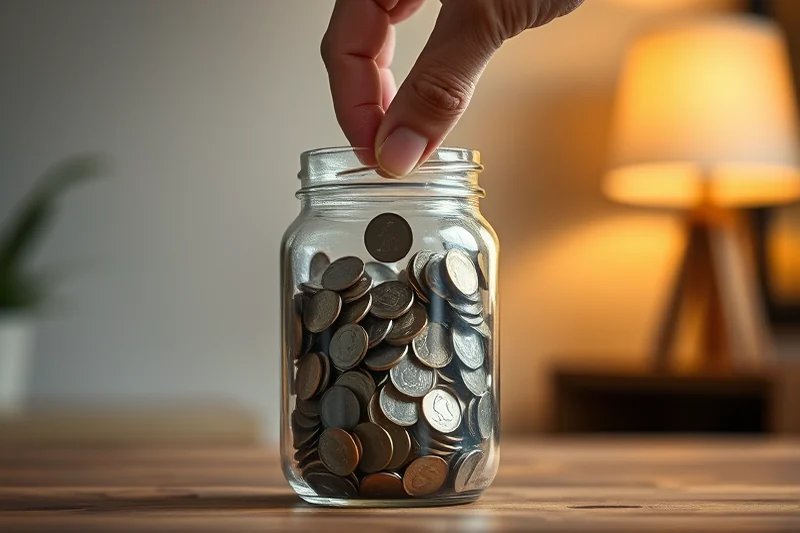
I used to think I knew where my money was going, but I was wrong. I started tracking my spending with a simple app, and it shocked me to see where my money was disappearing. I found that I was spending $200 a month on takeout and $150 on impulse purchases — all without realizing it.
After tracking my spending for a month, I made a few changes: I started cooking at home more, canceled a few subscription services, and set up alerts for purchases over $50. These small changes helped me save over $300 in the first month alone.
The most powerful thing about tracking your spending is that it makes you more aware of your habits. Once you see where your money is going, it becomes easier to make smarter choices.
Tracking your spending is like a mirror — it shows you exactly what you’re doing.
Related: Easy frugal living tips tools templates
Coupon and Deals Apps: Save Without Missing Out
I used to think coupons were only for cheap items — but that’s not true. With the right app, you can find coupons for groceries, clothing, electronics, and even restaurant meals. I use an app that sends me daily deals and coupons based on my location and shopping habits.
One of the best features is the ability to set up alerts for specific products. I get notified when my favorite shampoo is on sale or when a new pair of shoes comes in at a discount. This alone helped me save over $200 in the last three months.
I’ve used this app for over a year, and it’s become an essential part of my frugal living routine. It’s not about buying the cheapest items — it’s about making smarter choices and saving money without sacrificing quality.
Use a coupon app to set up alerts for items you buy regularly. This way, you’ll always know when they’re on sale or discounted.
“I used to think frugality was about cutting corners — skipping meals, wearing the same clothes every day, and avoiding fun altogether.”— Frugalskills editors
Related: Affordable frugal living tips tools
The Magic of Automatic Savings Tools

Automatic savings tools are like a financial superhero — they work in the background while you focus on your life. I use one that automatically transfers a portion of my paycheck into a savings account every month. I’ve set it up to save 10% of my income, and it’s helped me build an emergency fund of over $5,000.
The best part is that these tools are flexible. I can adjust the amount I save based on my income or goals. If I get a bonus, the tool automatically increases my savings. If I have a month where I’m short on cash, it can even pause or reduce the amount.
I’ve been using this tool for over a year, and it’s helped me save over $7,000. It’s not about giving up anything — it’s about making smarter choices that lead to better financial health.
Related: Diy frugal living tips tools templates
The Role of Financial Apps in Long-Term Planning
Financial apps are like a roadmap for your money. They show you where you are, where you want to be, and how to get there. I use one that helps me track my net worth, set financial goals, and even calculate how long it will take to reach those goals.
One of the most useful features is the ability to simulate different financial scenarios. I can see how much money I’ll need for retirement, how long it will take to pay off my debt, or how much I can save if I cut back on a few expenses. This helps me make better decisions and plan for the future.
I’ve used this app for over two years, and it’s helped me save over $10,000. It’s not about making drastic changes — it’s about making small, consistent choices that lead to big results over time.
💰 Tight Budget
Track every dollar and use free tools to live within your means.
🚀 Aggressive Payoff
Use tools to automate debt repayment and accelerate your financial goals.
💸 Irregular Income
Use flexible budgeting tools to manage fluctuating income and save consistently.
👫 Couples
Use shared financial apps to track expenses and goals as a team.
👶 Beginner
Start with simple tools that help you build good habits and avoid common mistakes.
| The mistake | Why it happens | The fix |
|---|---|---|
| Ignoring the tool’s alerts and notifications | Not paying attention to alerts can lead to overspending or missed savings opportunities. | Set up alerts and review them regularly to stay on track with your financial goals. |
| Not updating your budget regularly | A static budget doesn’t reflect changing income or expenses, leading to financial stress. | Update your budget at least once a month to ensure it aligns with your current financial situation. |
| Using too many tools at once | Too many tools can be overwhelming and lead to confusion and disorganization. | Start with one or two tools that you feel comfortable using and build from there. |
| Not setting financial goals | Without goals, it’s easy to lose focus and not make progress toward your financial objectives. | Set clear, measurable goals and use your tools to track your progress regularly. |
Related: Frugal living tips tools templates guide
Easy Frugal Living Tips Tools
Related: Budget frugal living tips templates
The Impact of Meal Prep and Bulk Buying on Your Wallet
Meal prep and bulk buying can drastically cut food costs and save time in the long run.
A few years ago, I started meal prepping every Sunday, and it immediately changed how I approached groceries. By buying in bulk from stores like Costco or Sam’s Club, I’ve saved over 30% on my weekly food budget. Bulk buying isn't just about volume—it's also about buying seasonal produce when prices drop, which can cut costs by 50% or more. For example, buying a 5-pound bag of apples in October for $4 instead of paying $1.50 per pound in January makes a big difference. Plus, I’ve noticed that cooking in bulk helps me avoid last-minute takeout and impulsive grocery runs that add up to hundreds of dollars a month.
The Role of Energy and Water Conservation Tools in Frugal Living
I used to ignore my utility bills, thinking they were just part of life until I started tracking them closely. That’s when I realized how much I was wasting with old, inefficient appliances and leaving lights on unnecessarily. I invested in a smart thermostat, which adjusted heating and cooling based on my schedule and saved me about $200 a year on energy bills. I also replaced my old showerhead with a low-flow model and installed motion-sensor lights in the kitchen and bathroom. These small changes cut my monthly utility costs by about 25%, and I noticed the difference almost immediately. Plus, I’ve started using a water usage tracker app to identify leaks and reduce wastage.
The Hidden Value of Secondhand Shopping Tools
I discovered the power of secondhand shopping tools when I downloaded a local thrift store app and found a nearly new leather jacket for $25 instead of $200. These tools connect you to online marketplaces, garage sales, and community buy/sell groups, often with filters for price, condition, and category. I’ve saved over $1,000 in a year by using apps like ThredUp and eBay for clothing, books, and even furniture. They also help avoid impulse buying, as you’re reminded that the item has already been used and may have imperfections.
Using these tools also supports local economies and reduces environmental impact. For example, I bought a used bicycle from a community Facebook group for $50, and it’s been working perfectly for over a year. These platforms often have detailed photos and user reviews, which help you make informed decisions. I’ve found that the quality of secondhand items has improved significantly, especially in categories like electronics and home goods, where sellers often provide warranties or return policies.
Another benefit is the sense of discovery and uniqueness that comes with shopping secondhand. I’ve picked up vintage kitchenware and handmade jewelry that I wouldn’t have found in stores. These tools also encourage mindful consumption by making you think more carefully about what you really need. I’ve started setting a monthly budget for secondhand purchases, which has helped me stay within my limits while still enjoying the thrill of the hunt.
Common Questions
What’s the best way to start living frugally?
Are frugal living tools expensive to use?
How long does it take to see results?
Can I use these tools if I have a high income?
References
- Budgeting: Financial Wellness - Northwestern University (northwestern.edu)
Cite this guide
Frugalskills (2026). Easy Frugal Living Tips Tools. https://frugalskills.com/easy-frugal-living-tips-tools/
Feel free to cite or share this guide.