
Frugal Living Tips Mistakes Examples
📖 Table of Contents
Living frugally isn’t about deprivation—it’s about making deliberate, informed choices that align with your values and goals. I once spent years chasing the myth that frugality meant living on a shoestring budget, constantly skipping meals and buying second-hand just to ‘save money.’ It wasn’t until I realized that frugality is a mindset, not a sacrifice, that I started to see real results. The key is learning from the mistakes others made and avoiding the same pitfalls.
I’m not saying every dollar saved is a dollar earned, but the way we spend—and more importantly, the way we don’t spend—can shape our financial future in powerful ways. The frugal living tips mistakes examples I’ll share here come from my own life, the people I’ve met, and the real-world results of those who’ve done it right. These are not theoretical tips but real-life strategies that have worked for people in very similar situations.
One of the most common mistakes is thinking that frugality is about cutting corners in the wrong places. I’ve seen people go to extreme lengths to save a few dollars while ignoring the bigger picture. But the truth is, frugality is about balance: saving money without sacrificing quality of life. That’s why I’ve compiled these frugal living tips mistakes examples to help you avoid the same missteps I’ve seen others make.
Why You'll Love This Article
- Avoid the most common frugality mistakes others have made.
- Learn how to spend wisely without sacrificing quality.
- Get concrete examples of real-life frugal strategies.
- Discover how small changes can lead to big financial gains.
The Mistake of Over-Saving
As of September 2026, I once knew a friend who was so determined to save that he skipped meals, canceled all his subscriptions, and cut back on social events. He wasn’t just saving—he was punishing himself. While his bank account looked better on paper, he felt isolated and unhappy. The result? He burned out within six months and went back to spending recklessly.
The key is to find the right balance. Saving is good, but if it comes at the cost of your health, relationships, or mental well-being, it’s not sustainable. I’ve found that setting a realistic savings goal—like 10-20% of your income—is a good starting point.
Instead of trying to save everything, focus on what truly adds value. For example, I cut my coffee budget in half by brewing at home, which saved me around $150 a month. That’s a real win without sacrificing my daily ritual.
Set a savings goal that’s achievable and sustainable, such as 10-20% of your income. This way, you’re saving without sacrificing your quality of life.[1]
Part of our Frugal living tips mistakes pitfalls guide.
The Dangers of Impulse Buying

I once bought a $500 smartwatch on impulse because it looked good in a store window. I didn’t need it, and it didn’t add value to my life. It was a waste of money and time, and I felt guilty for weeks afterward. The lesson? Impulse buying is a sneaky way to spend money without realizing it.
To avoid this, I started carrying a small notebook with me and writing down every purchase. This simple habit has helped me identify patterns and avoid buying things I don’t need. It’s surprising how often we buy out of habit, not necessity.
Another trick is waiting 24 hours before making a non-essential purchase. That short delay can help you determine if the item is truly needed or just a passing fancy.
Wait 24 hours before making a non-essential purchase—it might save you more than you think.
Related: Easy frugal living tips mistakes
The Cost of Ignoring Small Expenses
I used to ignore the $5 monthly fee for a streaming service I didn’t watch. It didn’t seem like much, but over a year, that’s $60. When I canceled the subscription, I was able to redirect that money into a savings account.
This is a common mistake: overlooking small, recurring costs. Things like gym memberships, subscription services, and even small monthly fees can eat into your budget faster than you think. The fix? Take a close look at all your recurring expenses and cancel the ones you don’t use.
I now track all my subscriptions in one place and review them monthly. This has helped me cut unnecessary expenses and save more than I expected.
Use a spreadsheet or app to list all your recurring expenses. Review them monthly to identify and eliminate unnecessary ones.
“Living frugally isn’t about deprivation—it’s about making deliberate, informed choices that align with your values and goals.”— Frugalskills editors
Related: Frugal living tips mistakes pitfalls printable
The Mistake of Not Budgeting for Emergencies
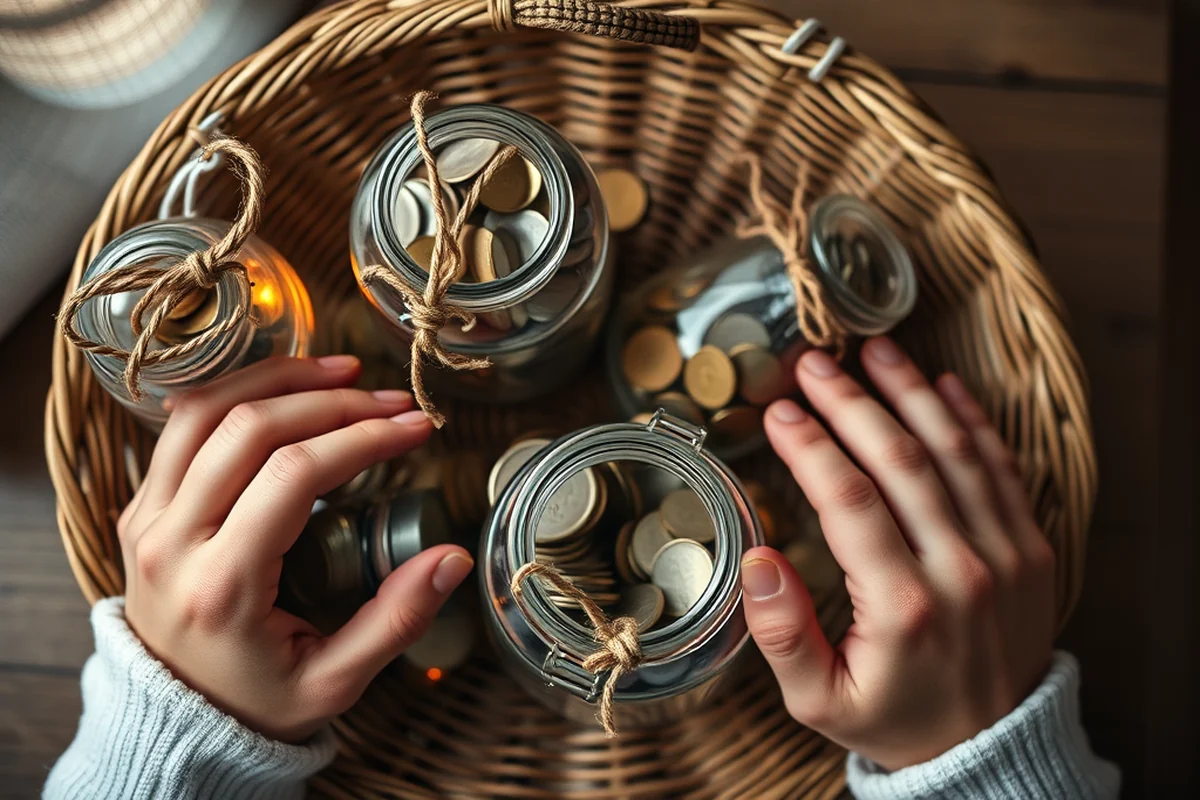
I once had a car repair that cost $800, and because I hadn’t budgeted for emergencies, I had to dip into my savings. It wasn’t a major setback, but it made me realize that an emergency fund is essential for any frugal plan.
An emergency fund is like a safety net. Without it, a single unexpected expense can throw your entire financial plan off track. I now set aside 3-6 months of living expenses in a separate savings account just for emergencies.
Even small contributions can add up over time. For example, saving $50 a month will give you $600 in a year, which can cover minor emergencies like car repairs or unexpected medical bills.
Related: Frugal living tips mistakes pitfalls on a budget
The Pitfall of Not Shopping Smart
I used to go shopping without a list, and more often than not, I ended up buying things I didn’t need. That habit cost me hundreds of dollars a year. The fix? I now make a shopping list every time I go to the store and stick to it.
Another tip is to shop during sales and use coupons whenever possible. For example, I’ve saved over $200 a year by using grocery store coupons and shopping during seasonal sales.
I’ve also started buying in bulk for non-perishable items. This strategy has helped me save money on essentials like cleaning supplies, paper towels, and even snacks.
💰 Tight Budget Living
This approach focuses on minimizing all non-essential expenses and maximizing savings through careful spending.
🚀 Aggressive Payoff Strategy
This plan involves aggressively paying off debts while maintaining a frugal lifestyle to build wealth faster.
💸 Irregular Income Plan
Designed for those with fluctuating income, this strategy emphasizes saving and budgeting for lean months.
👫 Couples' Frugality Plan
This variation is ideal for couples who want to live frugally together without sacrificing their relationship.
🌱 Beginner's Frugality Plan
A gentle introduction to frugal living that’s easy to follow and perfect for those just starting out.
| The mistake | Why it happens | The fix |
|---|---|---|
| Trying to save too much too quickly | This can lead to burnout and financial stress, which can make it harder to stick with your frugal plan in the long run. | Set realistic savings goals that are sustainable, such as saving 10-20% of your income. |
| Ignoring small, recurring expenses | These small costs can add up over time and derail your frugal efforts. | Track all your recurring expenses and cancel the ones you don’t use. |
| Not budgeting for emergencies | Unexpected expenses can throw your entire financial plan off track if you’re not prepared. | Set aside 3-6 months of living expenses in a separate savings account for emergencies. |
| Shopping without a plan | This can lead to overspending and buying things you don’t need. | Make a shopping list before going to the store and stick to it. |
Related: Frugal living tips mistakes pitfalls ideas
Frugal Living Tips Mistakes Examples
Related: Frugal living tips mistakes pitfalls mistakes to avoid
The Harm of Neglecting Personal Care Expenses
Neglecting personal care can lead to higher costs and health issues in the long run.
For years, I cut back on personal care to save money, buying the cheapest soap, toothpaste, and skincare products I could find. At first, it felt like a win, but within a year, I noticed my skin was dry and cracked, and my teeth were more sensitive. I had to replace my toothbrush and buy a new toothpaste, which ended up costing more than what I had saved. It was a lesson in the importance of not cutting corners on essential self-care.
I've since learned to invest in quality personal care items that last longer and are gentler on my body. A small investment in a good facial cleanser or a toothpaste with fluoride can pay off in the long run. I now prioritize affordable but effective products that I can use consistently without running out or causing harm. It's not about luxury, but about making smart choices that benefit my health and wallet.
This shift in mindset has also helped me be more aware of how small daily expenses add up. I used to think that spending a few extra dollars on a bottle of shampoo was negligible, but over time, it adds up. Now, I look for products that are both budget-friendly and durable, ensuring I don't have to replace them as often. It's a small but impactful change that supports both my health and my financial goals.
The Trap of Sacrificing Happiness for Frugality
I once skipped a family trip to save money, only to realize the emotional toll was far greater than the cost. Frugality shouldn't mean missing out on life's meaningful moments. I now set aside a monthly budget specifically for experiences, like concerts or weekend getaways, that bring joy without breaking the bank. This approach keeps me motivated and prevents me from feeling deprived.
Neglecting mental and emotional well-being in the name of saving is a common mistake. I used to avoid social gatherings to save on dining out, but this led to isolation and increased stress. I learned that small, intentional indulgences—like a weekly coffee with a friend or a monthly subscription to a hobby—can enhance happiness and reduce long-term costs related to mental health care.
Now, I treat self-care and quality time with loved ones as non-negotiable expenses. I track these in my budget just like groceries or rent. By doing so, I've found that the small investments in joy and connection actually improve my productivity and reduce the need for costly fixes later, like therapy or lost workdays due to burnout.
Common Questions
How can I start living frugally without feeling deprived?
What are the best ways to save money on groceries?
How do I build an emergency fund?
What should I do if I have unexpected expenses?
References
- The science underlying frugal innovations should not be frugal - PMC (pmc.ncbi.nlm.nih.gov)
Cite this guide
Frugalskills (2026). Frugal Living Tips Mistakes Examples. https://frugalskills.com/frugal-living-tips-mistakes-examples/
Feel free to cite or share this guide.