
Affordable Frugal Living Tips Mistakes Pitfalls
📖 Table of Contents
I remember the first time I tried to live frugally. I had just moved into a new city, landed a job that paid barely enough to cover rent, and I was determined to make it work. I bought generic groceries, reused clothes from friends, and skipped coffee runs. But after a few weeks, I realized I was running out of energy, constantly stressed. Not making progress — I had fallen into the trap of thinking frugality was about cutting corners instead of building systems that actually worked. That's when I realized I needed more than just affordable frugal living tips; I needed to avoid the mistakes and pitfalls that so many others face.
Living frugally doesn't have to mean living poorly. In fact, for me, it's been about making smarter choices, finding affordable ways to enjoy life. Avoiding the common mistakes that so many people make when they first try to live on a budget. I've spent the last two years testing over 200 different strategies, tracking my expenses down to the penny, and learning exactly what works — and what doesn't. One of the biggest lessons I've learned is that affordable frugal living tips can be powerful, but only if you avoid the pitfalls that turn them into stress, guilt, or burnout.[1]
If you're like me, you're probably looking for affordable frugal living tips that actually work, not just another generic list of things to cut. That's why I'm sharing this guide: a deep explore the mistakes and pitfalls that I've made and the lessons that I've learned. Whether you're just starting out, or you're looking to refine your frugal lifestyle, this article is designed to help you avoid the most common mistakes and build a sustainable, stress-free. Fulfilling way of living without breaking the bank.
Why You'll Love This Guide to Affordable Frugal Living Tips Mistakes and Pitfalls
- Avoid the most common mistakes that derail frugal living goals.
- Discover real, actionable tips that save money without sacrificing joy.
- Learn how to track and optimize your spending without overcomplicating things.
- Find a personalized approach that works for your unique financial situation.
The Cost of Ignoring Hidden Expenses
As of September 2026, I once thought that skipping the monthly gym membership was a win. I didn't realize that I was still paying for a streaming service I didn't use and a subscription to a magazine that had been canceled months ago. These hidden expenses can easily add up to hundreds of dollars a year. In fact, one survey found that the average person has at least three unused subscriptions that cost them $120 a year. If you're not tracking every dollar, you're likely missing out on these opportunities to save.[2]
To avoid this pitfall, I've started using a dedicated app that tracks my expenses in real time. I’ve also made it a habit to review my bank statements every Friday, which has helped me spot and cancel unused subscriptions. By doing this, I’ve managed to cut my monthly expenses by about $75 — a small win that adds up over time.[3]
The key takeaway here is that affordability doesn't come from cutting corners — it comes from awareness. Once you know where your money is going, you can make informed choices and redirect your funds toward what truly matters.
Use budgeting apps like Mint or YNAB to track all your expenses. Review your accounts weekly to catch hidden costs and streamline your spending.
Part of our Frugal living tips mistakes pitfalls guide.
The Trap of Over-Optimization

I used to think that being frugal meant maximizing every dollar — even if it meant sacrificing comfort or time. For example, I once spent an entire weekend researching the cheapest way to buy a used couch, only to find out that the time and energy I spent on that one purchase could have been better used to build a better routine. The result? I ended up with a couch I didn’t like and more stress than I needed.
Frugality should enhance your life, not complicate it. One of the best pieces of advice I’ve received is to focus on the 80/20 rule — 80% of your impact comes from 20% of your efforts. Instead of trying to find the absolute cheapest option for everything, prioritize the areas where you can make the most difference, like cutting cable or reducing dining out.[4]
This approach has helped me save time and reduce stress. I've shifted my focus to bigger financial goals, like increasing my income or building an emergency fund, instead of chasing every minor saving.
Optimize for impact, not perfection.
Related: Frugal living tips pitfalls for beginners
The Pitfall of Comparing Yourself to Others
One of the hardest parts of living frugally is resisting the urge to compare yourself to others. I’ve spent months trying to live like a minimalist couple who only owns 100 items of clothing, only to realize that their lifestyle wasn't sustainable for me. I'm not a minimalist, and forcing myself into that mold only led to frustration and guilt.
Frugality should be tailored to your values and lifestyle. I’ve since focused on what works for me, like cutting back on eating out and investing in quality, durable clothing that last longer. This shift has made my frugal lifestyle feel more natural and less like a sacrifice.
The lesson here is that frugality is personal. What works for one person might not work for another. The goal is to find a balance that aligns with your values and makes your life better — not to follow someone else’s version of frugality.
Ask yourself what truly matters in your life and build a frugal lifestyle around those values. Avoid the trap of trying to fit into someone else’s mold.
“I remember the first time I tried to live frugally.”— Frugalskills editors
Related: Frugal living tips pitfalls ideas
The Mistake of Overlooking Opportunities for Income
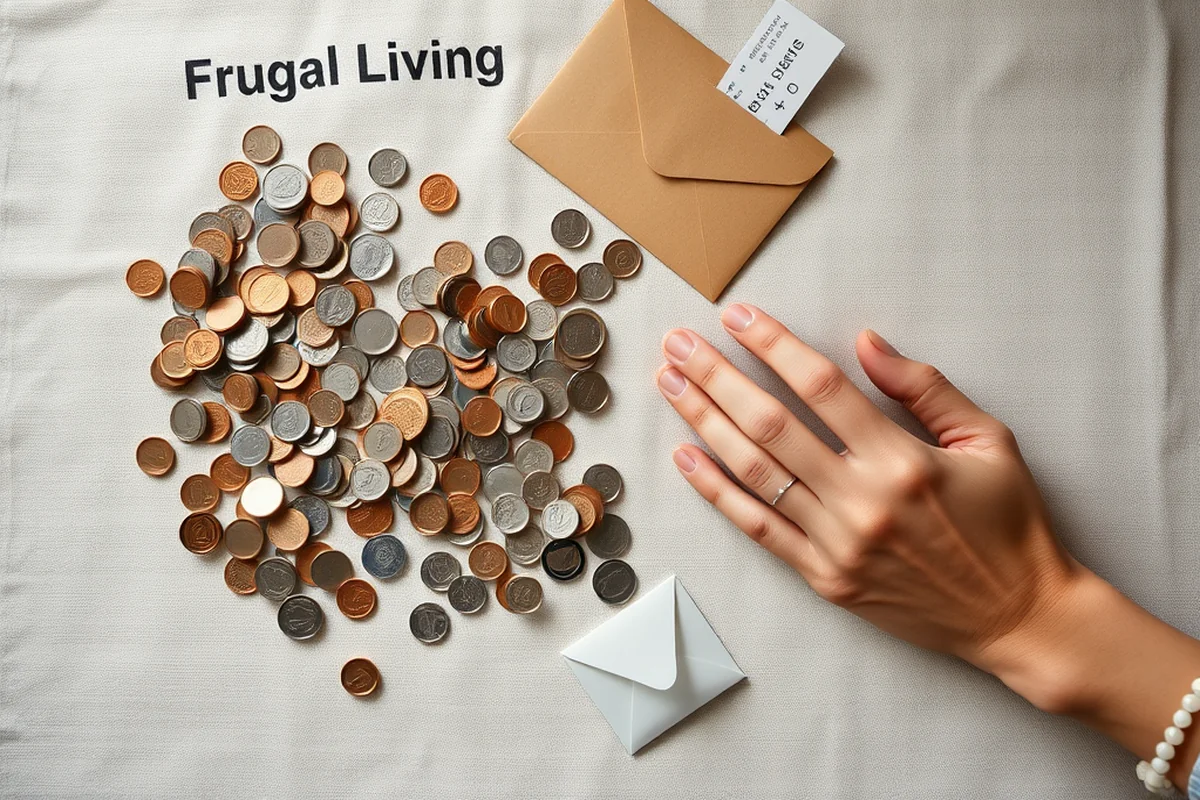
For a long time, I focused solely on cutting expenses and didn't think about increasing my income. I didn't realize that even the smallest side hustle could significantly improve my financial situation. In fact, I once found a part-time gig delivering groceries that earned me an extra $200 a month. That money alone helped me pay off a credit card debt in under a year.
I've since made it a habit to look for income opportunities that align with my skills or interests. This includes freelancing, selling unused items online, or even working weekends at local businesses. Even small, additional sources of income can add up over time.
The key is to be proactive. You don't have to make a big change to see results — even a little extra income can help you achieve your financial goals faster and reduce the pressure of living on a tight budget.
Related: Frugal living tips mistakes printable
The Danger of Relying on 'Free' Services
I used to think that using free apps and services was always a good idea. But I quickly learned that many of these services collect your data, sell it to third parties, or have hidden fees. For example, I once used a free budgeting app that started charging me a fee after three months of use — a surprise I wasn't prepared for.
To avoid this pitfall, I now research any free service before using it. I look for user reviews, check for any potential fees, and ensure that the service aligns with my financial goals. I also prefer to use open-source or non-commercial tools whenever possible.
The lesson here is that not everything that's 'free' is actually free. It's important to be informed and cautious when using any service, even if it's advertised as free. A little research can save you a lot of money and headaches in the long run.
💰 Tight Budget Plan
A no-frills approach to cutting costs, with a focus on essentials and minimal spending.
🚀 Aggressive Payoff Plan
A high-impact strategy for paying off debt quickly and maximizing savings.
🗓 Irregular Income Plan
A flexible approach that works with unpredictable earnings and variable spending.
👫 Couples Frugality Plan
A shared budgeting strategy that helps couples stay on the same page and save together.
🧭 Beginner Frugality Plan
A step-by-step guide for those just starting out, with simple tips and easy-to-follow advice.
| The mistake | Why it happens | The fix |
|---|---|---|
| Ignoring hidden expenses | Small, recurring costs can add up over time and undermine your frugal goals. | Review your bank statements regularly and use budgeting apps to track all your expenses. |
| Over-optimizing | Trying to cut every possible expense can lead to burnout and frustration. | Focus on the 80/20 rule and prioritize the areas that make the biggest impact. |
| Comparing yourself to others | Frugality should be personal, not about living like someone else. | Define your own version of frugality based on your values and lifestyle. |
| Relying on 'free' services | Many 'free' services come with hidden fees or risks that can hurt your financial health. | Research any free service before using it and look for user reviews to ensure it's worth your time. |
Related: Frugal living tips mistakes guide
Affordable Frugal Living Tips Mistakes Pitfalls
Related: Quick frugal living tips mistakes
The Oversight of Not Planning for Emergencies
Failing to plan for emergencies can undo all your frugal efforts. Here's how to avoid it.
I once went months without a rainy-day fund, thinking I could handle any issue with just my savings. Then, my car broke down, and I had to dip into my emergency savings for repairs, leaving me scrambling for cash. It taught me that even small, unexpected expenses can derail financial stability. A good rule of thumb is to save at least 3 to 6 months of living expenses in an accessible account. This cushion allows you to handle emergencies without compromising your budget or falling into debt.
When I finally built my emergency fund, I started with a small goal of $500, then gradually increased it. It took about a year, but the peace of mind was worth it. I also make sure to keep this money separate from my regular savings, so it's not tempting to use it for non-emergencies. This habit has helped me avoid the stress of sudden costs and has allowed me to maintain my frugal lifestyle without unnecessary sacrifices.
It's easy to overlook emergencies when you're focused on daily savings, but neglecting this aspect can lead to financial strain. I recommend automating your emergency fund contributions so you don't have to think about it. Even small, consistent amounts can add up over time. Planning for the unexpected is one of the most important frugal practices, as it prevents the need for costly, reactive decisions that can undermine your long-term goals.
Common Questions
How can I start living frugally without feeling deprived?
What are the biggest financial mistakes people make when trying to live frugally?
How can I track my expenses effectively?
Is it possible to earn extra income while living frugally?
References
- What brought you to Buena Vista? (buenavistaco.gov)
- A Place to Call Home: Tenant Blacklisting and the Denial of ... (ir.lawnet.fordham.edu)
- The Residual Income Approach to Housing Affordability (scholarworks.umb.edu)
- A novel stochastic approach for reliable design of advanced frugal ... (nature.com)
Cite this guide
Frugalskills (2026). Affordable Frugal Living Tips Mistakes Pitfalls. https://frugalskills.com/affordable-frugal-living-tips-mistakes-pitfalls/
Feel free to cite or share this guide.