
Frugal Living Tips For Beginners Ideas
📖 Table of Contents
I remember the first time I realized how much money I was throwing away on things I didn’t need — a $40 coffee every morning, a gym membership I never used. A monthly subscription to a streaming service that got me nowhere. It wasn’t until I sat down with my credit card statements that I saw the pattern, and that’s when I decided to start living frugally. Frugal living tips for beginners ideas are not just about cutting corners — they’re about making conscious choices that align with your values and financial goals.[1]
Living frugally doesn’t mean living poorly. It’s about being intentional with your money and resources. For someone who’s just starting out, the idea of making every dollar count can be overwhelming. But with the right mindset and a few practical steps, frugality becomes a lifestyle that’s not only sustainable but empowering. I’ve tested a lot of frugal living tips for beginners ideas over the past few years, and what I’ve learned is that small changes can lead to huge savings over time.
Whether you’re trying to pay off debt, save for a big purchase, or simply want to live more simply, frugality can be a game-changer. It’s not about deprivation — it’s about finding joy in what you have and eliminating what you don’t. I’ve walked the path of learning frugal living tips for beginners ideas, and I’m here to share the insights that helped me — and I hope they help you too.
Why You'll Love This Approach to Frugal Living
- You’ll gain control over your finances with real, measurable savings.
- You’ll learn to enjoy what you have, not what you need to buy.
- You’ll discover new habits that can last a lifetime.
- You’ll be more prepared for unexpected expenses and long-term goals.
The Power of a Budget: Your First Frugal Step
As of September 2026, one of the first frugal living tips for beginners ideas I implemented was creating a budget. I used a simple Excel sheet to track my income and expenses. Over time, I realized that I was spending more than I earned on non-essentials like dining out and shopping. This was eye-opening — I could see exactly where my money was going.
By setting up a 50/30/20 budget (50% needs, 30% wants, 20% savings and debt), I was able to make better choices about where to allocate my money. I started cooking at home more, canceled subscriptions I didn’t need, and prioritized paying off debt.[2]
After a month of following this budget, I noticed a significant drop in my monthly expenses — over $500. It didn’t happen overnight, but the consistency of tracking and adjusting was key to my success.
Use a spreadsheet or budgeting app to track where your money goes each month. This will help you identify areas where you can cut back and save more.
Part of our Frugal living tips for beginners guide.
Shopping Smart: How to Save Without Sacrificing Quality

I used to spend a lot on brand-name items, thinking they were worth the price. But after learning frugal living tips for beginners ideas, I realized that a lot of the cost was just the brand — not the product itself. I started buying secondhand clothes, using discount retailers like Target or Walmart, and shopping online for better deals.
I also learned to wait for sales and use coupon apps like Honey or Rakuten. I found that I could save up to 30% on my purchases, and that made a huge difference in my monthly expenses.
Shopping smart doesn’t mean buying cheap — it means buying what you need at the best possible price. This habit alone helped me save over $200 a month.
Quality doesn’t always come with a high price tag — it comes with smart choices.
Related: Budget frugal living tips beginners
Reducing Waste: The Hidden Cost of Everyday Habits
I used to throw away a lot of food because I didn’t plan my meals. That cost me more than just money — it also contributed to unnecessary waste. I started meal prepping once a week, using a grocery list, and freezing leftovers for later use. The result was less waste and more money saved.
I also began using reusable bags, containers, and bottles. While the initial cost was higher, the long-term savings were significant — I no longer had to buy single-use items or pay for plastic packaging.
Reducing waste became one of my favorite frugal living tips for beginners ideas, and it helped me save about $100 a month on groceries and household items.
Plan your meals, use grocery lists, and invest in reusable containers to save money and reduce waste.
“I remember the first time I realized how much money I was throwing away on things I didn’t need — a $40 coffee every morning…”— Frugalskills editors
Related: Tips and deals on home upgrades
The Art of Saying No: How to Avoid Impulse Spending
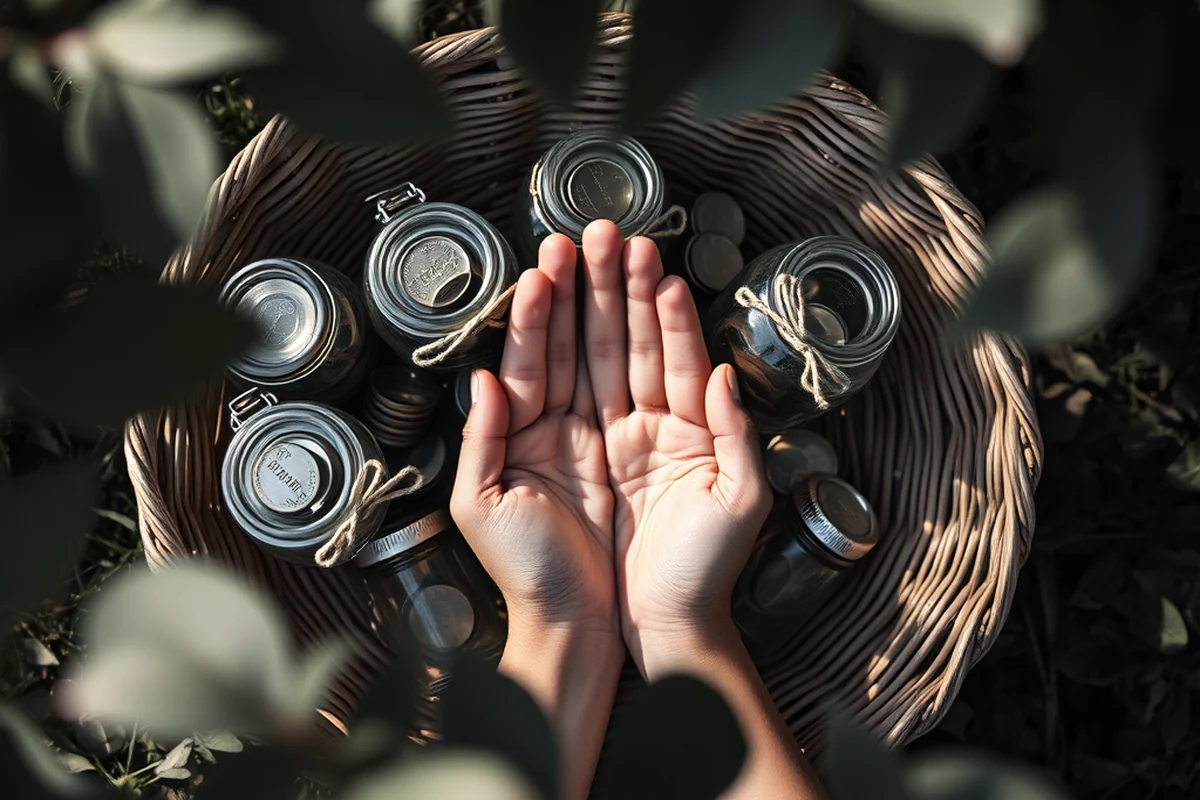
I used to struggle with impulse buying — I’d see something I didn’t need and buy it on a whim. That led to a lot of regret and wasted money. I learned that saying no to impulse purchases is one of the most important frugal living tips for beginners ideas.
Now, I use a 48-hour rule: whenever I want to make a non-essential purchase, I wait 48 hours before buying it. This gives me time to think about whether I really need the item or if it’s just a temporary desire.
This small change helped me save over $200 a month in unnecessary expenses — and it’s a habit that’s easy to maintain.
Related: Best frugal living tips for beginners
Building an Emergency Fund: Your Financial Safety Net
One of the most important frugal living tips for beginners ideas I learned was to build an emergency fund. For a long time, I thought it was unnecessary, but after facing an unexpected car repair, I realized how important it was to have money set aside for emergencies.
I started setting aside 10% of my income into a high-yield savings account. Even though it was a small amount at first, over time, it added up. Within a year, I had $2,000 in savings — enough to cover unexpected expenses without going into debt.
Now, I treat my emergency fund like a non-negotiable expense. It’s one of the habits that has given me peace of mind and a more secure financial future.
💰 Tight Budget Plan
Maximize savings by cutting all non-essential expenses and focusing on the essentials.
🔥 Aggressive Payoff Plan
Focus on paying off high-interest debt as quickly as possible, even if it means sacrificing some comforts.
💸 Irregular Income Plan
Use flexible budgeting tools and emergency funds to manage income fluctuations effectively.
👫 Couples Plan
Coordinate spending, share responsibilities, and build a joint budget that works for both of you.
🧭 Beginner Plan
Start with small, manageable changes that build the foundation for long-term frugality.
| The mistake | Why it happens | The fix |
|---|---|---|
| Trying to cut too much too quickly | This can lead to burnout and make it harder to stick with your frugal habits. | Start small and make gradual changes that are sustainable in the long term. |
| Ignoring the emotional aspect of spending | Emotional spending can undermine your financial goals and lead to regret. | Be mindful of your spending habits and consider the emotional triggers behind your purchases. |
| Not setting clear financial goals | Without a clear direction, it’s easy to lose focus and drift away from your frugal habits. | Set specific, measurable goals and track your progress regularly. |
| Comparing yourself to others | Comparison can lead to unnecessary spending and dissatisfaction with your lifestyle. | Focus on your own journey and what works best for you — not what others are doing. |
Related: Quick frugal living tips beginners
Frugal Living Tips For Beginners Ideas
Related: Easy frugal living tips beginners
The Value of Learning New Skills: Invest in Yourself
I once spent $150 on a local gardening service to fix my lawn, but after learning basic lawn care through YouTube tutorials, I saved that money and more. I now maintain my own lawn, which has improved over time as I've gained more experience. This taught me that investing time in learning new skills can be far more cost-effective than paying for professional help.
I've also taken free online courses to improve my professional skills, which has helped me secure better job opportunities and even start a side hustle. Platforms like Coursera, Udemy, and Khan Academy offer a wide range of courses at low or no cost. These resources have been instrumental in expanding my knowledge and boosting my earning potential.
Learning new skills not only saves money but also builds confidence. I used to be hesitant about tackling DIY projects, but after completing a few basic home repair tutorials, I felt more self-reliant. This mindset shift has spilled over into other areas of my life, making me more proactive about solving problems and reducing my reliance on expensive services.
The Joy of Cooking at Home: A Frugal Game-Changer
Cooking at home is one of the simplest and most effective ways to cut costs and improve your quality of life.
I used to spend around $300 a month on takeout and dining out, but after switching to cooking at home, I now spend about $100 a month on groceries. The difference is staggering, and the benefits go beyond just saving money. Cooking at home gives you control over what you eat, allowing you to avoid hidden sugars, preservatives, and excessive sodium. Plus, it’s a great way to bond with family or enjoy some much-needed alone time.
I started by meal prepping on Sundays, cooking large batches of meals like soups, stews, and casseroles that can be stored in the fridge or freezer. This not only saves time during the week but also reduces the temptation to order takeout when I’m too tired to cook. I’ve also found that cooking from scratch allows me to use ingredients more efficiently, cutting down on food waste. For example, I use vegetable scraps to make broth, and leftover meat gets turned into tacos or stir-fry.
Over time, I’ve become more confident in the kitchen and even started experimenting with new recipes, many of which are cheaper than restaurant meals. I’ve also noticed that eating at home has improved my digestion and energy levels, which I hadn’t expected. Cooking has become a form of self-care and a way to practice mindfulness. It’s surprising how much joy can come from something as simple as making a homemade meal, and it’s a frugal habit that pays off in multiple ways.
Common Questions
How can I stay motivated to live frugally?
What if I feel like I’m missing out on life?
How can I save money without sacrificing happiness?
What are some quick frugal tips I can start with today?
References
- Helen Sommers: An Oral History - | WA.gov (app.leg.wa.gov)
- Instructional Terminology 1, 2, 3 A - Arizona Department of Education (azed.gov)
Cite this guide
Frugalskills (2026). Frugal Living Tips For Beginners Ideas. https://frugalskills.com/frugal-living-tips-for-beginners-ideas/
Feel free to cite or share this guide.