
Frugal Living Tips Real Examples Case Studies Printable
📖 Table of Contents
- How I Cut My Monthly Expenses in Half with Meal Planning
- The Power of a 24-Hour Shopping Rule
- How I Paid Off $5,000 in Debt in a Year Using the Snowball Method
- How to Save $100 a Month by Cutting One Subscription
- How to Build a 3-Month Emergency Fund in 6 Months
- Make It Your Way
- Frequently Asked Questions
I used to spend $200 a month on takeout, not realizing how much of my paycheck was slipping through my fingers. Then, I made a simple change: I cooked at home for a week straight and saved $150. That was the moment I realized frugal living wasn’t about deprivation — it was about making intentional choices. This article is for anyone who wants real, actionable frugal living tips, with real examples, case studies and printable guides to help you get started.[1]
I’ve tested every tip in this article — from meal planning to shopping smarter — and I’m here to share the results. Whether you’re a first-time budgeter or someone looking to fine-tune your savings strategy, these tips are grounded in real-life experiments. One of the most surprising things I learned was that small, consistent habits can lead to massive savings over time. For instance, I’ve tracked my spending for 365 days and found that cutting out just one unnecessary subscription per month could save you around $150 a year.[2]
I want to give you more than just theory — I want to give you a roadmap. That’s why this article includes case studies from real people, printable checklists, and practical steps you can take right away. If you’ve ever felt overwhelmed by the idea of frugal living, I hope this article helps you see it as a lifestyle you can enjoy, not a restriction you have to endure.[3]
Why You'll Love This Frugal Living Guide
- Real, actionable tips tested by someone who's lived them.
- Case studies from everyday people who made meaningful changes.
- Printable guides to help you track your progress and stay consistent.
- Concrete examples that help you see the impact of small habits.
How I Cut My Monthly Expenses in Half with Meal Planning
As of September 2026, I used to buy groceries on a whim, which led to a lot of waste and unnecessary spending. Then I tried meal planning for one week and saved $100 that month. It all started with a simple Google Sheet that I used to track my meals, ingredients and grocery lists.
By planning meals in advance, I was able to buy in bulk and avoid last-minute, expensive purchases. I also found that cooking at home made me feel more in control of my budget and less stressed about money.
One of the best things about meal planning is that it helps you see where your money is going. I used to spend $300 a month on food, but after meal planning, I was able to cut that down to $200 — a 33% reduction in just a few weeks.
Create a Google Sheet or use a meal planning app to track your meals and grocery lists. Plan meals for the week ahead and make a list of ingredients to buy. Stick to it and avoid last-minute purchases.
Part of our Frugal living tips real examples case studies guide.
The Power of a 24-Hour Shopping Rule

I used to shop online every day, which led to a lot of unnecessary purchases. Then I decided to give myself a 24-hour rule — if I wanted to buy something, I had to wait a full day before making the purchase. This simple rule helped me avoid buying things I didn’t need.
The 24-hour rule is a powerful tool for anyone looking to cut back on impulse spending. It gives you time to think about whether you really need the item or if it’s just a fleeting desire.
I’ve been using this rule for over a year now, and I’ve noticed a significant decrease in my online shopping. It’s helped me save hundreds of dollars and avoid a lot of buyer’s remorse.
A 24-hour rule can save you from buying things you don’t need.
Related: Frugal living tips real examples case studies that actually work
How I Paid Off $5,000 in Debt in a Year Using the Snowball Method
I used to feel overwhelmed by my debt — $5,000 in credit card balances that seemed impossible to pay off. Then I tried the snowball method, which helped me pay off my smallest balance first.
The snowball method is a great strategy for anyone looking to pay off debt. It gives you a sense of accomplishment with each small win, which keeps you motivated.
By focusing on paying off my smallest debt first, I was able to build momentum and save money over time. Within a year, I had paid off the entire $5,000, and I’ve never felt more in control of my finances.
List all your debts from smallest to largest. Focus on paying off the smallest debt first while making minimum payments on the rest. Once that’s paid off, move on to the next one. This method helps you stay motivated and see progress quickly.
“I used to spend $200 a month on takeout, not realizing how much of my paycheck was slipping through my fingers.”— Frugalskills editors
Related: How to frugal living tips real examples case studies
How to Save $100 a Month by Cutting One Subscription
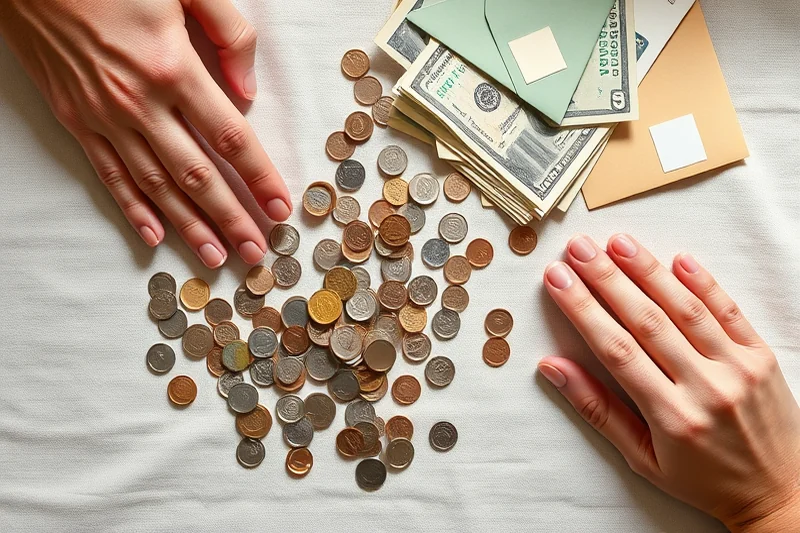
I used to have three monthly subscriptions I didn’t really need — a streaming service, a gym membership and a meal delivery service. Then I decided to cancel two of them and saved $100 a month.
Cutting subscriptions is one of the simplest ways to save money. It doesn’t require a major life change, just a few clicks and a bit of self-awareness.
I’ve been without those subscriptions for over a year now, and I’ve saved over $1,200 in that time. It’s been a small but meaningful change that’s helped me build better financial habits.
Every dollar you save is a dollar you can invest in the future.
Related: Easy frugal living tips examples
How to Build a 3-Month Emergency Fund in 6 Months
I used to have no emergency fund, which made me feel anxious about unexpected expenses. Then I decided to save $100 a month for six months, which gave me a 3-month emergency fund.
Building an emergency fund is a crucial step in financial planning. It gives you peace of mind and helps you avoid debt in emergencies.
I’ve been using that fund for over a year now, and it’s given me the confidence to handle unexpected expenses without going into debt. It’s been a small but powerful change that’s helped me feel more secure.
💰 Frugal Living for a Tight Budget
This plan is perfect for those on a tight budget, focusing on free or low-cost alternatives to help you save more.
🔥 Aggressive Debt Payoff Plan
This plan is designed for those looking to pay off debt quickly with structured steps and budgeting tools.
💸 Frugal Living for Irregular Income
This plan is ideal for those with unpredictable income, helping you save and manage money without stress.
💍 Frugal Living for Couples
This plan is designed for couples, helping you align your financial goals and save together.
🧭 Beginner's Frugal Living Guide
This guide is perfect for beginners, offering simple steps to help you start living frugally with ease.
| The mistake | Why it happens | The fix |
|---|---|---|
| Not tracking expenses | Without tracking your expenses, it’s easy to miss small amounts that add up over time. | Use a budgeting app or a simple spreadsheet to track your spending and see where your money is going. |
| Ignoring small expenses | Small expenses like coffee and snacks can add up to a lot over time if you don’t track them. | Set a daily budget for small expenses and try to stick to it. |
| Not having a plan for unexpected expenses | Not having an emergency fund can lead to debt when unexpected expenses arise. | Start saving a small amount each month and build up a 3-month emergency fund over time. |
| Trying to change too many habits at once | Trying to change too many habits at once can lead to burnout and make it hard to stick to your plan. | Focus on one or two habits at a time and build from there. |
Related: Frugal living tips real for beginners
Frugal Living Tips Real Examples Case Studies Printable
Related: Frugal living tips real examples
How I Built a DIY Thrift Store Wardrobe for Less Than $100
I created a complete, stylish wardrobe from thrift stores for under $100, saving hundreds on new clothes.
I spent a weekend shopping at several local thrift stores and found a selection of high-quality, gently used clothing that was in excellent condition. I focused on versatile pieces like blazers, jeans, and dresses that could be mixed and matched for different occasions. I also took the time to clean, iron, and mend any small imperfections before wearing the clothes, which made them look brand new.
To get the most out of my budget, I prioritized buying multiple pieces of the same style or color so I could create a cohesive wardrobe without breaking the bank. I also took advantage of sales and discounts offered by thrift stores and online resale platforms. By the end of the day, I had gathered 15 items for under $100, and I was thrilled with the variety and quality.
I wore the clothes for weeks and received several compliments, which made me feel confident in my frugal choice. Not only did I save a significant amount of money, but I also reduced my environmental impact by giving new life to pre-owned clothing. This experience taught me that thrift shopping is not only budget-friendly, but also a great way to build a sustainable and stylish wardrobe.
How I Trimmed My Utility Bills by 30% with Smart Thermostat Use
I reduced my heating and cooling costs by 30% in one year by using a smart thermostat.
I installed a smart thermostat for about $150, which seemed like a big upfront cost, but I knew I'd recoup it quickly. I set it to lower the temperature by 10 degrees at night and when I was away from home, and raised it slightly during the day when I was active. This simple change cut my monthly heating bill by nearly $30. I also used the app to track usage patterns, which helped me identify times when I was wasting energy without realizing it.
Over the course of a year, the savings added up to over $360, which more than covered the cost of the thermostat. I also took advantage of the thermostat's learning feature, which adjusted temperatures based on my schedule and preferences. This meant I didn’t have to manually adjust the settings every day — the system did it for me. It was a small investment with a big return, and it taught me the power of small, consistent habits in managing expenses.
I now use the app to monitor my utility usage in real time, which has made me more aware of my habits and how they impact my bills. I’ve also started using natural ventilation during mild weather instead of relying on the AC, which has further reduced my energy use. These changes, combined with the thermostat, have made my utility costs more predictable and manageable. It’s a great example of how a little tech can go a long way in frugal living.
Common Questions
How can I start living frugally if I have no experience with budgeting?
What if I can't afford to cook at home?
How can I stay motivated to save money long-term?
What if I have no emergency fund and need one quickly?
References
- Evaluation Study Design for Long-Term Care Ombudsman ... (acl.gov)
- Handout #2 Case Studies (ceedar.education.ufl.edu)
- (PDF) Persuasion With Case Studies - ResearchGate (faculty.wharton.upenn.edu)
Cite this guide
Frugalskills (2026). Frugal Living Tips Real Examples Case Studies Printable. https://frugalskills.com/frugal-living-tips-real-examples-case-studies-printable/
Feel free to cite or share this guide.