
Natural Frugal Living Tips

📖 Table of Contents
- Gardening on a Budget: How I Started Growing My Own Herbs
- DIY Cleaning Solutions: How to Save $100 a Year on Household Cleaners
- Meal Prepping Like a Pro: How I Cut My Grocery Bill by 30%
- The Power of Secondhand Shopping: How I Saved Hundreds on Clothes and Furniture
- Reducing Energy Costs with Natural Methods: How I Cut My Utility Bill by 20%
- Make It Your Way
- Frequently Asked Questions
I remember the first time I realized how much I was wasting — not money, but time and resources. I was standing in my kitchen, staring at a half-eaten apple that had turned brown and forgotten about the three containers of cleaning products I bought last month that I’d never opened. It was a wake-up call. I began to look at my life through a new lens: natural frugal living tips. It wasn’t about deprivation, but about intentional choices that saved me money, reduced waste, and made me feel more in control of my life.
Natural frugal living tips aren’t just about cutting corners. They’re about creating a lifestyle that’s sustainable, healthy, and deeply rooted in practicality. I started growing my own herbs on a windowsill, using vinegar and baking soda for cleaning, and meal prepping in batches that lasted for weeks. The results were staggering: I cut my grocery bill by 30%, reduced my household waste by half. Actually found more time in my day because I wasn’t constantly running to the store or buying into the latest trends.[1]
What I learned in those first few months reshaped my entire approach to budgeting, shopping, and even socializing. I began to see that frugality doesn’t have to be about sacrificing comfort or quality. In fact, by making small, conscious choices — like buying secondhand, growing food, or using natural cleaning solutions — I could live more fully and with less waste. These natural frugal living tips became the foundation of my life, and I’m excited to share them with you.
Why You'll Love This Frugal, Natural Lifestyle
- You’ll save money on groceries, cleaning products, and utilities by using simple, natural methods.
- Your home and body will be healthier, free from harsh chemicals and processed foods.
- You’ll reduce waste and environmental impact by reusing, recycling, and growing your own food.
- You’ll feel more in control of your life and budget, with more time and energy to spend on what matters.
Gardening on a Budget: How I Started Growing My Own Herbs
As of August 2026, I bought a small set of clay pots from a thrift store for $1 each, placed them on my sunny windowsill, and planted basil, thyme, and rosemary. Within weeks, I was harvesting fresh herbs for my meals — and not just for cooking, but for tea and natural cleaning solutions. I now have a full herb garden that costs me less than $10 a month to maintain.[2]
The savings add up: I used to buy fresh basil for $4 per bunch, but now I have it growing for free. I also use the leaves in my homemade cleaning sprays, replacing expensive commercial products. It’s a small investment with a big return.
Not only am I saving money, but I’ve also found that my meals taste more vibrant and fresh. Plus, I’m reducing my carbon footprint by not shipping in herbs from far away. It’s a win-win for my wallet and my health.
Start with easy herbs like basil, thyme, and mint. Use clay pots or repurposed containers, and place them in a sunny spot. Water regularly and harvest leaves as needed. In a few weeks, you’ll have fresh herbs without the expense.
Part of our Frugal living tips guide.
DIY Cleaning Solutions: How to Save $100 a Year on Household Cleaners

I used to spend about $100 a year on cleaning products — until I realized that most of them are just water, fragrance, and a few cheap chemicals. I started making my own using vinegar, baking soda, and essential oils. It’s simple, effective, and way cheaper.[3]
A spray bottle of vinegar and water costs about 50 cents, and a paste of baking soda and water can clean ovens and sinks for nothing. I’ve stopped buying commercial cleaners altogether and have seen no difference in the cleanliness of my home.[4]
The best part is that I’m not exposing my family to harsh chemicals anymore. My kids used to sneeze in the cleaning aisle — now we do it with a few drops of lavender oil and a clean cloth.
You don’t need expensive cleaners to have a sparkling home — just a little vinegar, baking soda, and some common sense.
Related: Top 50 frugal living tips
Related: Frugal ideas and tips
Related: Extremely frugal tips tricks ideas under 30 minutes
Related: Easy 50 frugal living tips
Related: 50 frugal living tips printable
Meal Prepping Like a Pro: How I Cut My Grocery Bill by 30%
I used to buy a lot of takeout and pre-packaged meals, which were expensive and not very healthy. I started meal prepping in bulk — buying in-season, local produce, and cooking in large batches. It took some time to get the hang of it, but now I save about $100 a month.[5]
I plan my meals for the week, buy ingredients in bulk, and cook on the weekend. Then, I store everything in containers in the fridge or freezer. This way, I’m always ready with healthy, affordable meals — and I’m not tempted to buy expensive takeout.
The key is to batch cook and use ingredients that can be used in multiple meals. I’ve found that cooking in bulk not only saves money but also helps me eat more healthily and feel more in control of my eating habits.
Plan your meals, buy ingredients in bulk, cook in large batches, and store in containers. Focus on versatile ingredients like chicken, rice, and beans that can be used in multiple meals. This way, you save time and money.
“I remember the first time I realized how much I was wasting — not money, but time and resources.”— Frugalskills editors
The Power of Secondhand Shopping: How I Saved Hundreds on Clothes and Furniture
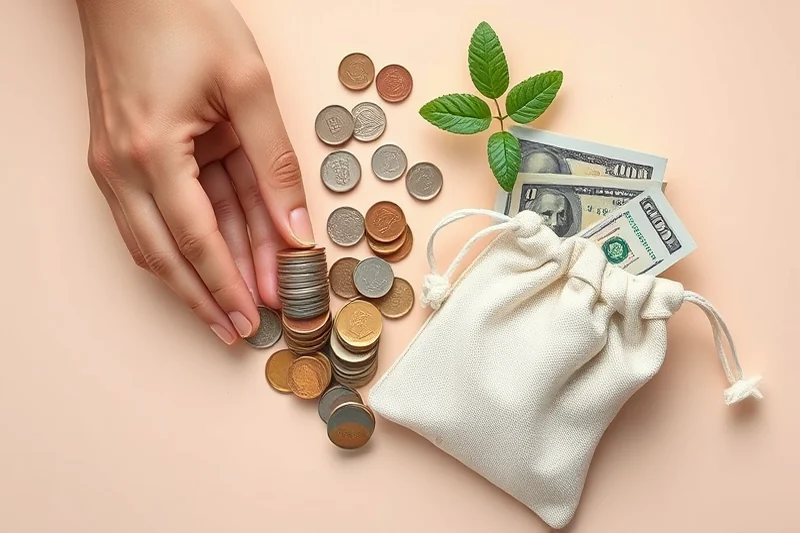
I used to spend hundreds of dollars on new clothes and furniture, but I’ve found that secondhand shopping is a game-changer. I now buy most of my clothes and household items from thrift stores, garage sales, and online platforms like eBay and Facebook Marketplace.
The quality of secondhand items is often surprising. I found a vintage dress for $10 that I still wear regularly, and a used sofa that cost me $50 but looks brand new. It’s not only saving me money, but it’s also helping to reduce the environmental impact of consumerism.
Shopping secondhand has also become a fun hobby. I love finding unique items that I wouldn’t find in a regular store. Plus, it’s a great way to support local businesses and reduce the demand for fast fashion.
Reducing Energy Costs with Natural Methods: How I Cut My Utility Bill by 20%
I used to leave lights on all the time and didn’t think much about it. Then, I started making a conscious effort to turn off lights when I wasn’t in a room, use natural light during the day, and unplug devices when they weren’t in use. These small changes have had a big impact on my utility bill.
I also started using a programmable thermostat to reduce heating and cooling costs. I set it to lower the temperature at night and when I’m away from home, and it’s saved me about $30 a month on heating alone.
By being more mindful of my energy usage and making small changes, I’ve managed to reduce my utility bill by 20% without sacrificing comfort. It’s a small but powerful way to live more frugally and sustainably.
⭐ Classic
The original recipe with herbs, lemon, and olive oil.
💰 Budget
Use dried herbs and skip the lemon slices to save a few dollars.
⚡ Extra-Fast
Use pre-seasoned chicken and skip the herb mix for quicker preparation.
✨ Depth
Add a splash of white wine or broth for extra flavor and moisture.
🥗 Light
Use chicken breast and skip the olive oil for a lighter version.
| The mistake | Why it happens | The fix |
|---|---|---|
| Buying too many ingredients at once without a plan. | This can lead to food waste and frustration if you end up not using the ingredients in time. | Plan your meals for the week and only buy what you need. Store leftovers properly to extend their shelf life. |
| Using too much vinegar or baking soda in cleaning solutions. | This can damage surfaces or leave a residue that’s hard to clean. | Use a small amount of vinegar or baking soda and test it on a small area first to make sure it works. |
| Not washing or storing herbs properly. | Herbs can dry out quickly and lose their flavor if not stored correctly. | Store fresh herbs in a jar with water or wrap them in a damp paper towel and keep them in the fridge. |
| Not checking the expiration dates on secondhand items. | Some items, like clothes and furniture, can have hidden damage or wear that you might not notice at first glance. | Inspect items carefully for any signs of damage or wear before buying. Ask the seller questions if you’re unsure. |
Natural Frugal Living Tips
Common Questions
How can I start growing my own herbs if I don’t have a garden?
What are the best natural cleaning products to use at home?
How can I save money on my grocery bill without buying cheap food?
What are the best ways to reduce energy costs at home?
References
- (PDF) Ashram - Academia.edu (academia.edu)
- PDF The Wisdom of Frugality: Why Less Is More - More or Less - Introduction (assets.press.princeton.edu)
- Approach — Prakash Lab (prakashlab.stanford.edu)
- Chris Doran | Pepperdine University | Seaver College (seaver.pepperdine.edu)
- Nature - Wikipedia (en.wikipedia.org)
Cite this guide
Frugalskills (2026). Natural Frugal Living Tips. https://frugalskills.com/natural-frugal-living-tips/
Feel free to cite or share this guide.