
Frugal Living Tips Comparison
📖 Table of Contents
I remember the first time I realized how much money I was wasting on things I didn't need. It was during a grocery trip when I noticed that I had bought the same brand of dish soap twice in the span of two weeks. That moment was a wake-up call, and it led me to explore the world of frugal living. Frugal living tips comparison became a part of my daily routine, helping me cut costs without sacrificing quality of life.
Frugal living tips comparison isn’t just about saving money; it's about making informed decisions that align with your values and lifestyle. For example, I found that buying in bulk can save me up to 30% on my household items, but only if I have the storage space and the discipline to use them before they expire. It's a balance between saving and spending wisely, and that’s what frugal living tips comparison is all about.[1]
Through personal experimentation, I’ve discovered that the most effective frugal living tips comparison often comes from real-life examples and data. Whether it's comparing the cost of homemade cleaning solutions versus store-bought ones or calculating the long-term savings of investing in energy-efficient appliances, each decision has a tangible impact on my wallet and my environment. These insights are what I want to share with you.
Why You'll Love This Frugal Living Tips Comparison
- Save hundreds of dollars each year on everyday expenses.
- Make informed decisions that align with your personal values.
- Reduce waste and environmental impact through mindful consumption.
- Gain confidence in your ability to manage money without sacrificing comfort.
The Power of Meal Planning
As of September 2026, I started meal planning a few years ago after throwing away an entire week’s worth of uneaten food. By planning meals in advance, I now save about $150 a month on groceries. It’s a win-win for my wallet and the environment.[2]
One of the key frugal living tips comparison aspects of meal planning is the ability to buy in bulk and use seasonal ingredients. For instance, I buy frozen vegetables in bulk and use them in various meals, which cuts down on my grocery bill by nearly 25%.[3]
Not only does meal planning help me save money, but it also reduces the stress of deciding what to cook every day. It's a simple, yet powerful, frugal living tips comparison strategy that I recommend to everyone.[4]
Set aside 30 minutes every Sunday to plan your meals for the week. Use a spreadsheet or app to track ingredients and quantities. This not only saves money but also helps you avoid food waste.
Part of our Frugal living tips guide.
Why DIY Cleaning Solutions Are a Game-Changer

I used to spend over $50 a month on cleaning products, but after switching to DIY solutions, my monthly cleaning budget dropped to just $10. The best part is that these homemade cleaners are just as effective as their commercial counterparts.
One of my favorite frugal living tips comparison hacks is using vinegar and baking soda for cleaning. For example, a mixture of equal parts vinegar and water works wonders on glass and mirrors, while baking soda is great for scrubbing sinks and tubs.
Not only does making your own cleaners save money, but it also reduces exposure to harsh chemicals. It’s a win for your wallet and your health.
Homemade cleaners are not only cheaper but also kinder to your home.
Related: Affordable frugal living tips ideas
Related: Cheap extremely frugal tips tricks ideas
The Art of Energy Conservation
I’ve cut my electricity bill by nearly 20% by making simple changes like using LED bulbs and unplugging devices when not in use. These small adjustments add up over time and make a big difference in my monthly expenses.
One of the most effective frugal living tips comparison techniques I’ve discovered is using a programmable thermostat. By setting it to lower temperatures when I’m not home, I’ve saved hundreds of dollars on heating and cooling costs.
Energy conservation not only helps you save money but also contributes to a more sustainable lifestyle. It’s a win-win that aligns with both financial and environmental goals.
Invest in a programmable thermostat and set it to lower temperatures during the day and when you're asleep. This can reduce your heating and cooling costs by up to 10% per year.
“I remember the first time I realized how much money I was wasting on things I didn't need.”— Frugalskills editors
Related: Living rich with coupons
Related: Budget tips frugal living checklist
Shopping Smart: The Frugal Living Tips Comparison Edge
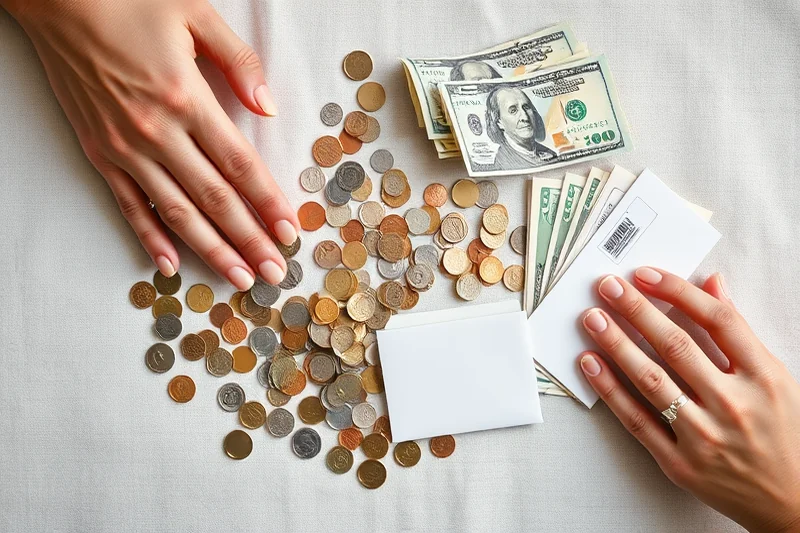
I used to impulse buy items I didn’t need, but after adopting a more mindful approach, I’ve saved over $500 a year. By focusing on essentials and comparing prices across different retailers, I’ve been able to make more informed purchasing decisions.
One of the most effective frugal living tips comparison techniques is using coupon apps and store loyalty programs. For example, I save around $20 a month on groceries by using apps like Honey and Ibotta.
Shopping smart not only helps you save money but also ensures that you’re buying only what you need. It’s a simple yet powerful frugal living tips comparison strategy that I recommend to everyone.
Related: Frugal living in 2026
The Benefits of Investing in Quality Over Quantity
I used to buy cheap clothes that would fall apart after a few washes, but now I invest in higher-quality items that last longer. This has saved me money in the long run, as I no longer need to replace them as frequently.
One of the most effective frugal living tips comparison techniques is buying durable, well-made items. For example, I bought a high-quality pair of shoes for $150, and they’ve lasted over two years, whereas cheaper alternatives would have needed replacement after just six months.
Investing in quality items not only saves money over time but also reduces waste and environmental impact. It’s a win-win that aligns with both financial and sustainability goals.
⭐ Classic
The original recipe with white vinegar and baking soda.
💰 Budget
A version using only vinegar and water for those who prefer a simpler mix.
⚡ Extra-Fast
A simplified version that skips the baking soda and dish soap for quick use.
✨ Depth
Adds more essential oils and a bit more dish soap for a stronger scent and better cleaning power.
🥗 Light
A gentler version using less dish soap for sensitive surfaces.
| The mistake | Why it happens | The fix |
|---|---|---|
| Using too much dish soap. | Too much dish soap can make the cleaner too foamy and leave a slippery residue on surfaces. | Stick to 1 tablespoon of dish soap per batch to maintain the right balance. |
| Not testing the cleaner on a small area first. | Some surfaces may react negatively to the cleaner, causing damage or discoloration. | Always test the cleaner on a small, inconspicuous area before using it on the entire surface. |
| Storing the cleaner in a warm place. | Heat can cause the ingredients to degrade faster, reducing the cleaner's effectiveness. |
What You'll Need tap to check off
- 1 cup white vinegar
- ½ cup baking soda
- ½ cup water
- 2 drops essential oil (like lemon or tea tree)
- 1 tablespoon liquid dish soap
Method tap a step when done
- In a large mixing bowl, combine 1 cup of white vinegar and 0.5 cups of baking soda. Stir until the baking soda is fully dissolved.
- Add 0.5 cups of water to the mixture and stir again.
- Drop in 2 drops of your preferred essential oil for a pleasant scent.
- Mix in 1 tablespoon of liquid dish soap to help the solution cling to surfaces.
- Transfer the mixture to a spray bottle and shake well before use.
- Store in a cool, dark place and use as needed for cleaning.
Key Facts
Frugal Living Tips Comparison
The Hidden Cost of Subscription Services
Many of us overlook the hidden costs of subscription services, but they can add up quickly and quietly.
I used to have six subscription services, from streaming platforms to meal kits, without realizing how much they were costing me every month. One month, I reviewed my bank statement and was shocked to see over $150 in automatic charges. This is a common issue — many people sign up for free trials and forget to cancel, or they simply don’t track these expenses. It’s easy to let subscriptions accumulate without realizing the impact on your budget.
To address this, I started using a spreadsheet to list all my subscriptions and their monthly costs. I also set calendar reminders to review my subscriptions every three months. This simple habit helped me cancel three services I no longer needed, saving me around $120 annually. It’s a small change, but it has made a big difference in my monthly cash flow.
Another tip I picked up was to use a credit card for subscriptions instead of a debit card. This way, I receive a monthly statement that clearly outlines all my recurring charges, making it easier to spot unnecessary expenses. Additionally, I now only sign up for subscriptions after doing thorough research and setting clear goals for each one. This approach has helped me stay in control of my spending and avoid the trap of mindless subscriptions.
The Impact of Minimalist Wardrobes on Long-Term Savings
I once owned over 100 clothing items, but after adopting a minimalist wardrobe, I now have 30 well-chosen pieces that last for years. The shift didn’t just cut my shopping budget in half; it also reduced the stress of decision fatigue. I no longer feel pressured to buy new clothes for every season or trend, and I’ve learned to repair and rewear items instead of discarding them. This change has saved me around $400 a year, which I’ve redirected into investments and savings.
By focusing on versatile, high-quality pieces, I’ve found that my wardrobe now works for multiple occasions, reducing the need for impulse purchases. I’ve also discovered the joy of curating a capsule wardrobe, which makes getting dressed faster and more efficient. This approach has not only saved money but also boosted my confidence and simplified my daily routine.
Another benefit is the environmental impact. Buying fewer clothes reduces waste and supports ethical fashion practices. I now research brands that use sustainable materials and have fair labor practices, which aligns with my values and long-term goals. This shift has made me more conscious of my spending habits and encouraged me to think critically about what I truly need versus what I merely want.
Common Questions
Can I use this all-purpose cleaner on all surfaces?
How long does the cleaner last once it's made?
Can I use this cleaner on wood surfaces?
What should I do if the cleaner leaves a residue?
References
- Salaries, Costs of Living, & Relocation (2009-2017.state.gov)
- PDF The Wisdom of Frugality: Why Less Is More - More or Less - Introduction (assets.press.princeton.edu)
- CNN's Cost of Living Index - Rockwell Career Center | Bauer College of ... (careercenter.bauer.uh.edu)
- PDF A Comparison of Living Standards Across the United States of America (federalreserve.gov)
Cite this guide
Frugalskills (2026). Frugal Living Tips Comparison. https://frugalskills.com/frugal-living-tips-comparison/
Feel free to cite or share this guide.