The Frugal Girl Blog
📖 Table of Contents
Three years ago, I was drowning in credit card debt, watching my paycheck disappear before it even reached my savings account. That’s when I discovered the Frugal Girl Blog, a resource that reshaped my financial life. It wasn’t just about living on a budget — it was about making every dollar count. The blog taught me how to track my spending, cut expenses without sacrificing quality, and build an emergency fund from scratch.
Reading the Frugal Girl Blog felt like having a personal financial coach in my pocket. It didn’t just give me tips; it gave me tools — spreadsheets, templates, and actionable steps that I could apply immediately. I remember the day I used one of the budgeting templates they shared and realized I had been overspending on subscriptions I didn’t even use. That moment was a turning point for me.
The Frugal Girl Blog isn’t just about saving money — it’s about empowering you to take control of your financial future. Whether you’re starting from scratch or looking to refine your habits, the blog’s approach is practical, real, and deeply relatable. I’ve been following it for years now, and it has helped me pay off my debt, save for a house, and build a life that’s both comfortable and secure.
Why You'll Love This Blog
- Real-life strategies that work — not just theory.
- Easy-to-use tools and templates for every step of your journey.
- A community of readers who are also on the path to financial freedom.
- No judgment, just practical advice tailored to your lifestyle.
How to Start a Frugal Lifestyle
As of September 2026, Starting a frugal lifestyle can feel overwhelming, especially if you’re used to spending freely. The Frugal Girl Blog offers a step-by-step guide that begins with tracking your expenses. I used one of their templates for a month and saw exactly where my money was going. It was eye-opening — I found I was spending $200 a month on coffee and takeout alone.[1]
Once you understand where your money goes, the next step is to create a realistic budget that aligns with your goals. The blog provides customizable templates that you can fill in based on your income and expenses. I was able to set up my first budget in under an hour, and it was tailored to my unique situation.
Finally, you’ll learn how to identify and eliminate unnecessary expenses. The blog’s tips on cutting costs — like canceling unused subscriptions or shopping with cash — helped me save over $300 a month. This is the real power of the Frugal Girl Blog — it’s not just about saving money, it’s about saving it smartly.
Use the free budgeting templates on the blog to track your spending for at least one month before making changes.
Part of our Frugal living tips guide.
The Power of Small Changes
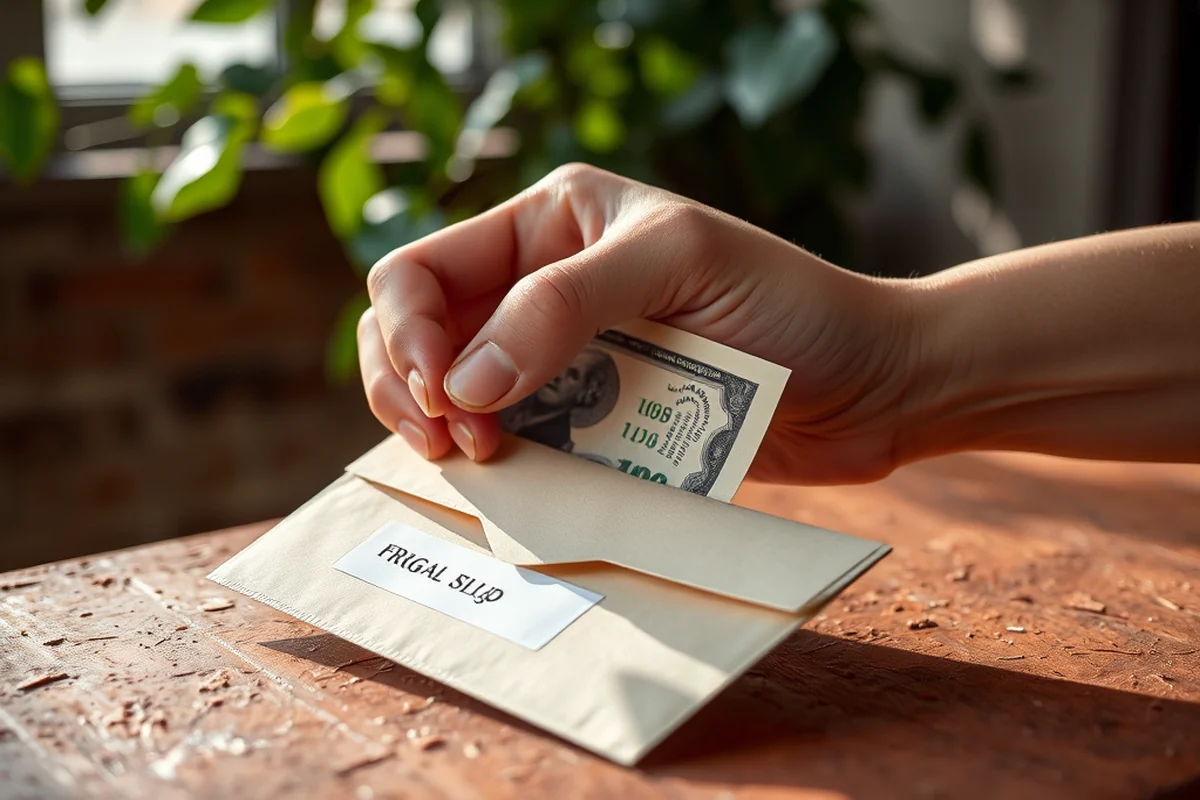
I used to think that becoming frugal meant giving up everything I loved — but that’s not true. The blog helped me see that small, consistent changes add up. For example, I started cooking at home instead of eating out every night. That change alone saved me $150 a month.
Another small change was switching to a cheaper internet plan. I didn’t even notice the difference in service, but my monthly bill dropped by $50. The blog’s ‘small change’ section is full of ideas that are easy to implement and have a measurable impact.
The blog also emphasizes the power of habit. Even minor actions, like turning off the lights when you leave a room or buying in bulk, can add up over time. These small steps made a huge difference in my financial health.
Small changes today create big savings tomorrow.
Related: Frugal living tips 2025 2026
Budgeting Without the Stress
I used to dread budgeting because it felt like a chore, but the blog made it feel manageable. They use a simple approach that doesn’t require hours of planning or complex spreadsheets. I was able to set up my first budget in under an hour using one of their templates.
The blog’s budgeting tools are designed to be flexible, which is important because life is unpredictable. I’ve had weeks where my income was lower than usual, and the blog’s strategies helped me adjust my spending without feeling stressed or overwhelmed.
One of the best parts of the blog is that it doesn’t force you into a rigid system. It encourages you to find what works for your lifestyle and stick with it. This flexibility is what helped me stay on track even during tough times.
Use the blog’s flexible budgeting tools to adapt your plan as your life changes.
“Three years ago, I was drowning in credit card debt, watching my paycheck disappear before it even reached my savings account.”— Frugalskills editors
Related: Frugal ideas and tips
The Role of Debt in Frugality
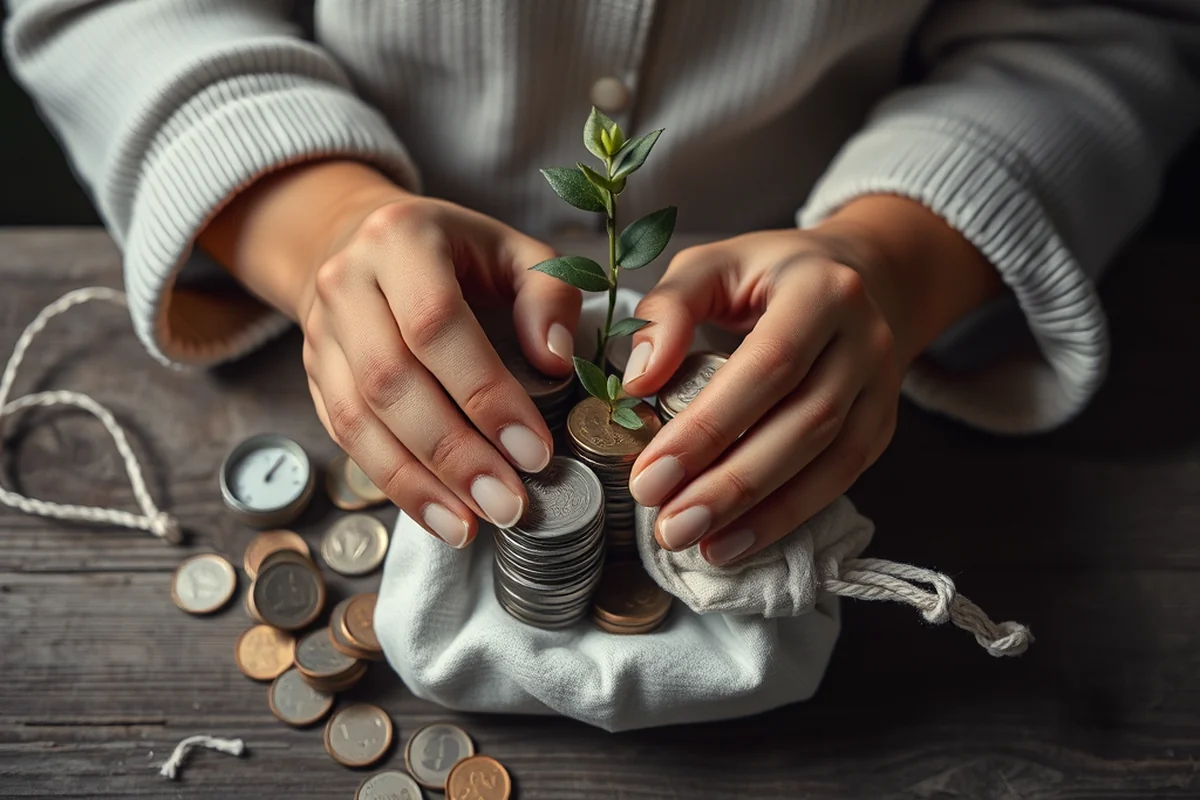
Debt is one of the biggest obstacles to financial freedom, but the blog gives you the tools to tackle it head-on. I was able to pay off $10,000 in credit card debt using their debt payoff plan, which is designed to help you eliminate high-interest debt first.
The blog’s approach to debt is simple: prioritize the debts with the highest interest rates. This method helped me save over $2,000 in interest payments. The blog also offers a debt tracking tool that makes it easy to see how much you’ve paid off and how much you still owe.
In addition to helping you pay off debt, the blog also teaches you how to avoid getting into debt in the first place. Strategies like building an emergency fund and using cash instead of credit cards helped me stay on track.
Related: Frugal living tips ideas
Investing Without a Lot of Money
I used to think that investing required a lot of money, but the blog proved me wrong. They offer a step-by-step guide to starting an investment journey with as little as $100. I followed their advice and started with a low-cost index fund, which has been growing steadily over the past few years.
The blog also explains the basics of compound interest, which is one of the most powerful tools for building wealth. Even with a small monthly contribution, the compound effect can add up significantly over time. I’m saving $50 a month now, and I’m already seeing results.
The blog’s investment section is designed for beginners, making it easy to understand without the jargon. It also offers a free investment tracker that helps you monitor your progress and stay motivated.
Related: Homemade 100 best frugal living tips
The Importance of Emergency Funds
An emergency fund is one of the most important financial tools you can have, but many people don’t know where to start. The blog’s guide on building an emergency fund walked me through the process step by step. I was able to set aside $1,000 in just three months.
The blog recommends saving at least three months’ worth of expenses as a starting point. I used their emergency fund calculator to determine how much I needed to save based on my monthly expenses. It was a game-changer — I finally felt financially secure for the first time in years.
The blog also explains how to keep your emergency fund separate from your regular savings, which is important for avoiding the temptation to spend it. Their tips helped me stay disciplined and build a fund that I can rely on in a crisis.
An emergency fund isn’t a luxury — it’s a necessity.
Related: Frugal living tips for beginners that work
The Frugal Girl Blog Community
One of the best parts of the Frugal Girl Blog is the community of readers who are also working toward financial freedom. The blog has a forum where people share their experiences, tips, and support each other. I’ve made friends and learned from others who have similar goals.
The blog also hosts live Q&A sessions and webinars, where readers can ask questions and get real, actionable advice. I’ve participated in a few of these sessions, and it’s been incredibly helpful to hear from the blog’s founder and other experienced readers.
The sense of community is a huge motivator. Knowing that others are on the same journey makes it easier to stay committed to your financial goals. The blog’s community has helped me stay focused and on track.
The Hidden Costs of Subscription Services
I once had 12 active subscriptions, totaling $240 a month. After canceling the ones I didn’t use, I saved $180. It’s easy to sign up for free trials and forget to cancel. I now use a spreadsheet to track all subscriptions and set reminders for renewal dates. I also review my subscriptions every three months to ensure I’m only paying for what I need.
I used to pay $15 a month for a streaming service I barely used. When I canceled, I noticed my monthly expenses dropped by 10%. I also found that I could replace some subscriptions with free alternatives, like using public libraries for books or free apps for productivity. This small change made a big difference in my overall budget.
By tracking my spending for a month, I realized 25% of my discretionary spending went to subscriptions. I now set a strict budget for these expenses and only sign up for new subscriptions if they’re essential. This approach helped me reduce my monthly expenses by $100 and freed up money for more important financial goals.
💰 Zero Budgeting for Tight Budgets
A flexible approach that works for those with limited income and no extra savings.
📈 Debt Payoff Plan for Aggressive Goals
A high-impact strategy for those determined to eliminate debt quickly.
💼 Irregular Income Budgeting
Tailored for freelancers and those with inconsistent income streams.
👫 Couples' Financial Planning
A guide for couples to manage finances together and avoid conflict.
🧭 Beginner's Frugality Guide
An easy-to-follow plan for those new to frugality and personal finance.
| The mistake | Why it happens | The fix |
|---|---|---|
| Trying to cut too many expenses at once. | This can lead to burnout and make the frugal lifestyle feel unsustainable. | Make small, manageable changes that you can stick with over time. |
| Ignoring the need for flexibility in your budget. | Life is unpredictable, and a rigid budget can cause stress and setbacks. | Use the blog’s flexible budgeting tools to adjust your plan as needed. |
| Not tracking your spending accurately. | Without proper tracking, it’s easy to lose sight of where your money is going. | Use the blog’s free templates to track your spending and stay on top of your finances. |
| Focusing only on cutting costs and not on increasing income. | While saving is important, increasing your income can have a bigger impact on your financial health. | The blog also offers tips on side hustles, passive income, and career growth. |
The Frugal Girl Blog
Common Questions
How can I start living frugally without cutting out all my favorite things?
What if I have a lot of debt? Can the blog still help me?
I have a very low income. Is frugality still possible?
How do I stay motivated when budgeting feels tedious?
References
- Internetchicks (training.jacksonms.gov)
Cite this guide
Frugalskills (2026). The Frugal Girl Blog. https://frugalskills.com/the-frugal-girl-blog/
Feel free to cite or share this guide.