
Affordable Frugal Living Tips Tools
📖 Table of Contents
I remember the first time I really considered frugality not as a sacrifice, but as a lifestyle. I was standing in a grocery store, staring at my cart filled with items I didn’t need, and the total at checkout felt like a slap in the face. That moment was the beginning of my journey into affordable frugal living. I started to research tools and systems that could help me live better on less, and what I discovered changed my perspective entirely.
The key, I found, wasn’t about cutting every possible expense, but about finding smarter ways to spend. Affordable frugal living tips tools aren’t just budgeting apps or spreadsheets—they’re frameworks that help you see the value in what you already have, and make smarter choices for the future. These tools have made my life more intentional, helping me save more and stress less.
What I’ve learned since that first grocery store moment is that frugality can be simple, sustainable, and deeply satisfying. Affordable frugal living tips tools are the kind of support systems that make it easier to stay on track, even when life gets messy. Whether you’re looking to save for a house, reduce debt, or just live more intentionally, these tools can be your allies.
Why You'll Love This Frugal Living Approach
- It helps you track your spending without the stress of constant oversight.
- It gives you real, actionable insights into where your money is going.
- It’s designed to integrate seamlessly into daily life.
- It empowers you to make more informed financial decisions over time.
The Power of Budgeting Tools
As of July 2026, when I first started tracking my expenses, I used a simple Excel spreadsheet. It worked, but it was clunky. Then I discovered budgeting apps like YNAB (You Need A Budget) and Mint. These tools not only categorize my spending but also show me where I can cut back. For instance, I noticed I was spending $100 a month on coffee, and by switching to making my own, I saved over $1,200 a year.[1]
These tools also help me set financial goals. Whether it’s saving for a vacation or paying off a loan, seeing the progress in real-time keeps me motivated. I’ve used the ‘zero-based budgeting’ approach, which means every dollar has a purpose. That method has been incredibly effective for me.
What I’ve learned is that budgeting tools aren’t just about restriction—they’re about empowerment. By giving me a clear picture of where my money goes, they help me make better choices and achieve my financial goals faster.
Use apps like YNAB or Mint to track your spending. Set up categories, track your income, and set realistic goals. You’ll be surprised how quickly you can find areas to cut back.
Part of our Frugal living tips tools templates guide.
The Magic of Shopping Smart
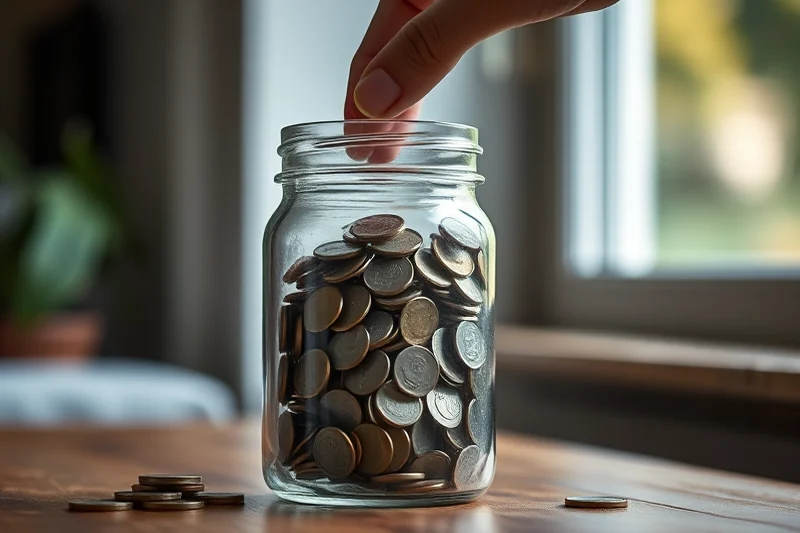
I used to be the kind of person who would buy things I didn’t really need because they were on sale. But I realized that the cheapest price doesn’t always mean the best deal. Tools like price tracking apps (such as Honey or CamelCamelCamel) have helped me find the best prices online. I’ve saved over $300 in a single month just by waiting for the right discount.
Another tool I use is the ‘buy only what you need’ list. I make a list before going to the store, and I stick to it. This has helped me cut down on impulse purchases and reduce food waste. I’ve noticed that when I plan ahead, I end up with fewer items that go bad and more things I actually use.
The real magic is in the habit of waiting. I’ve learned that waiting a day or two before making a purchase can often mean the difference between buying something I need and buying something I just want. This small change has had a massive impact on my spending habits.
Waiting can be the most powerful tool in your frugal toolkit.
Related: Frugal Living Tips Tools Templates Guide
Related: Frugal Living Tips Mistakes Pitfalls On A Budget
Related: Extreme Frugal Living Tips Comparison
Related: Frugal Living Tips For Beginners That Work
Related: Frugal living tips templates tips
Related: Affordable 50 Frugal Living Tips
Related: Tools Tips And Home Upgrades
Related: Budget Frugal Living Tips Tools
Related: Tools Tips And Deals On Home Upgrades 2026
Related: Quick Frugal Living Tips Tools
Related: Affordable Frugal Living Tips Beginners
Related: Affordable Frugal Living Tips Real
Related: Frugal Living Tips Tools Ideas
Related: How To Frugal Living Tips Tools
Related: Frugal Living Tips Real Tips
Energy Efficiency and Cost Savings
I used to think that saving money on energy meant buying expensive smart thermostats. But I found that even small changes, like unplugging devices when not in use, can make a difference. I installed a smart plug and set it to turn off my TV and gaming console when not needed. That alone saved me about $40 a month.
I also found that LED bulbs are a game-changer. They last longer and use less electricity. I replaced all my bulbs with LEDs and noticed a 20% drop in my electricity bill. That might not sound like much, but over a year, that’s a real chunk of money saved.
Another tool I use is the 'Energy Star' app, which helps me monitor my home’s energy usage. It shows me when my energy usage is high and what might be causing it. This has helped me identify and fix inefficiencies in my home, saving me money and reducing my environmental impact.
Use apps like Energy Star or SmartThings to monitor your home’s energy consumption. Look for areas where you can reduce usage and save money on your utility bills.
“I remember the first time I really considered frugality not as a sacrifice, but as a lifestyle.”— Frugalskills editors
Related: Find Tools Tips And Deals On Home Upgrades
The Art of Saving and Investing

I used to think that investing was something only rich people could do. But I found that even small contributions can grow significantly over time. I started using robo-advisors like Betterment and Wealthfront, which offer low-cost, automated investment strategies. These tools have helped me build a diversified portfolio with minimal effort.
One of the best tips I’ve learned is to automate my savings. I set up automatic transfers to my investment accounts every month. This way, I’m not tempted to spend the money elsewhere. Over the past year, I’ve been able to save and invest over $5,000, which has started to grow with interest.
Another tool I use is the '50/30/20' rule, which divides your income into needs, wants, and savings. This simple framework has helped me stay on track with my financial goals and ensure I’m saving consistently.
Living Debt-Free with Practical Tools
I had a lot of credit card debt at one point, and it was a real struggle. I discovered the 'debt snowball' method, which focuses on paying off the smallest debts first to build momentum. I used a simple spreadsheet to track my progress, and that helped me stay motivated as I saw my balances shrink.
Another tool that helped me was a debt payoff calculator. I used it to estimate how long it would take me to pay off my debt if I made certain monthly payments. That gave me a clear picture of what was possible, and it helped me adjust my budget accordingly.
I also started using a debt tracking app that reminded me of my due dates and helped me avoid late fees. This small change saved me money and kept me on track with my debt payoff plan. Now, I’m debt-free and have more financial freedom than ever before.
💰 Tight Budget
For those on a limited income, this variation focuses on maximizing every dollar with tools that help you track spending and find the best deals.
🚀 Aggressive Payoff
Designed for those looking to pay off debt quickly, this variation uses tools like debt calculators and automated savings to speed up the process.
💸 Irregular Income
Ideal for freelancers or those with fluctuating income, this variation uses tools that help you plan and save even when your income varies from month to month.
👫 Couples
A tailored approach for couples, this variation includes tools that help you manage shared budgets and set joint financial goals.
🌱 Beginner
Perfect for those just starting out, this variation uses simple, easy-to-use tools to help you build a frugal lifestyle from the ground up.
| The mistake | Why it happens | The fix |
|---|---|---|
| Relying too much on automated tools without understanding how they work | Automated tools can be great, but if you don’t understand how they work, you might miss opportunities or make poor decisions. | Take time to learn how your tools work. Read the help sections, watch tutorials, and don’t hesitate to reach out for support. |
| Ignoring the power of small habits | Small habits like unplugging devices or making your own coffee can have a big impact over time. | Start with one small change and build from there. Consistency and small habits are often the most effective. |
| Trying to track every single expense | Tracking every expense can be overwhelming and lead to burnout. It’s more important to track the big picture and make informed decisions. | Focus on tracking major expenses and use tools that give you a clear overview of your spending without micromanaging every transaction. |
| Using frugal living tools incorrectly or inconsistently | Using tools incorrectly or inconsistently can lead to confusion and frustration. It’s important to use them the right way and stay consistent. | Follow the instructions for each tool and use them regularly. Consistency is key to seeing real results. |
Affordable Frugal Living Tips Tools
Common Questions
What are the best frugal living tools for beginners?
How can I save money on energy bills?
What’s the best way to pay off debt?
Can I live frugally on a tight budget?
References
Cite this guide
Frugalskills (2026). Affordable Frugal Living Tips Tools. https://frugalskills.com/affordable-frugal-living-tips-tools/
Feel free to cite or share this guide.